

Product Categories
- Solid Carbide Spiral CNC Router Bits
- Aluminum Cutting CNC Router Bits
- Plastic Cutting CNC Router Bits
- CNC Machine Tool Holder
- CNC Miterfold V-Groove,Signmaking,Lettering & Engr
- Carving CNC 2D & 3D Router Bits
- Straight Plunge CNC Router Bits
- Plunge Router Bits CNC
- Foam Cutting CNC Router Bits
- Spoilboard Surfacing, Rabbeting,Flycutter,Surface
- Steel Metal Cutting CNC Router Bits End Mills
- Spektra Extreme Life Coated CNC Router Bits
- CNC Diamond (PCD) Router Bits
- ACM Aluminum Composite Material Scoring CNC Router
- Honeycomb Composite Cutting CNC Router Bits
- CNC Insert Door Making Router Bits
- PCB Drill Bit and End Mil
- Atom Knives Knife Blade For Atom Cutter
- Comelz Knives Knife Blades For Comelz Cutter
- Elitron Knives Knife Blade For Elitron Cutter
- Esko Kongsberg Knives Knife Blade For Esko Cutter
- Teseo Knives Knife Blade For Teseo Cutter
- Summa Knives Knife Blades For Summa Cutter
- Zund Knives Knife Blade For Zund Cutter
- Other Standard Knives/knife Blades
- Iecho Knives Knife Blade For Iecho Cutter
- Cloth Cutting Knife
- Tobacco knives/Tobacco blades
- Knife Blades
- Zund Cnc Router Bits For Sale Shop
- Ecocam Knives Knife Blade For Ecocam Cutter
- Aristo Knives Knife Blade For Aristo Cutter
- Colex Knives Knife Blade For Colex Cutter
- Axyz Knives Knife Blade For Axyz Cutter
- Ronchini Knives Knife Blade For Ronchini Cutter
- Comagrav Knives Knife Blade For Comagrav Cutter
- Multicam Knives Knife Blade For Multicam Cutter
- Esko Kongsberg Cnc Router Bits For Sale Shop
- Vinyl Cutter Cutting Plotter Blades Sale

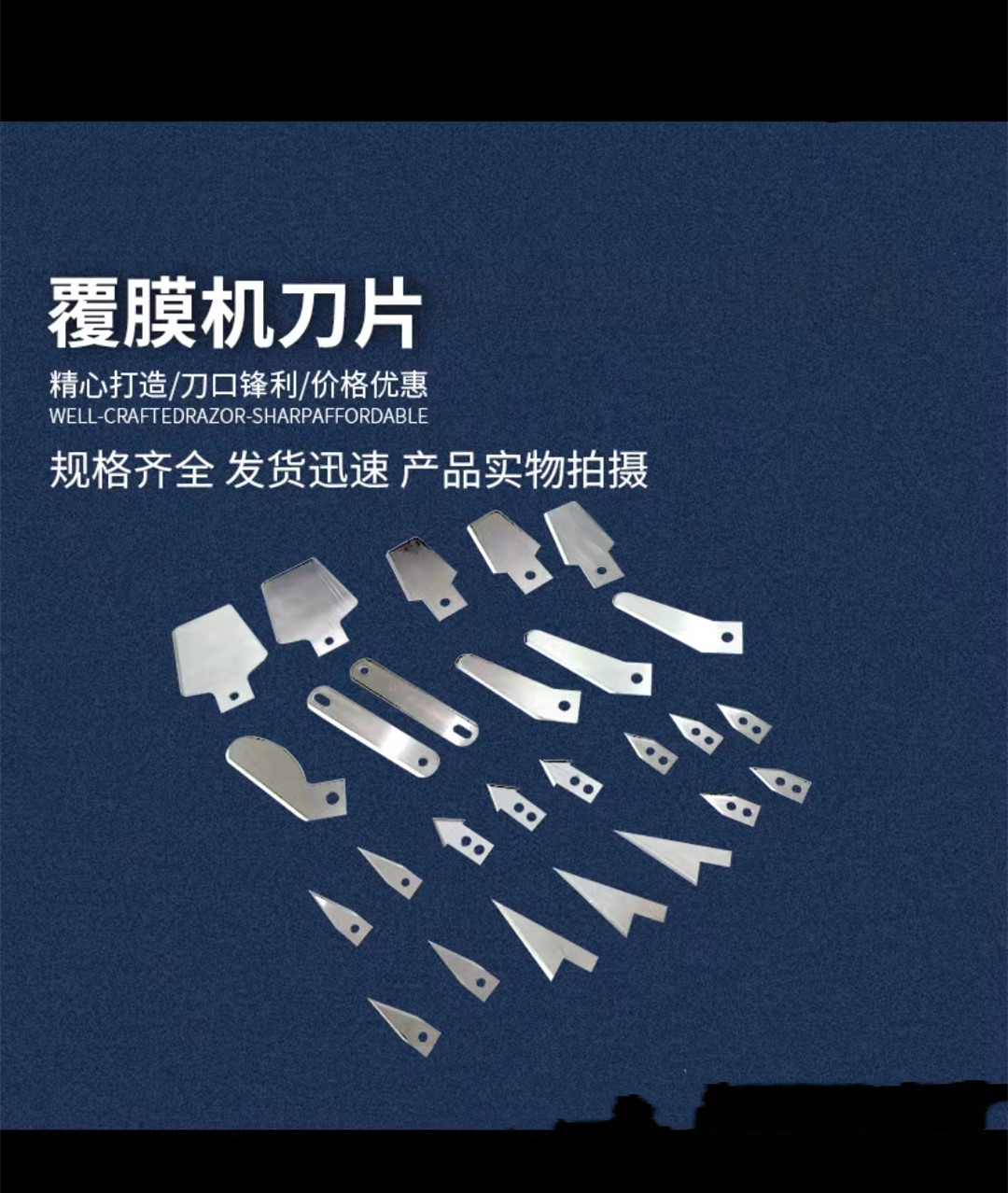
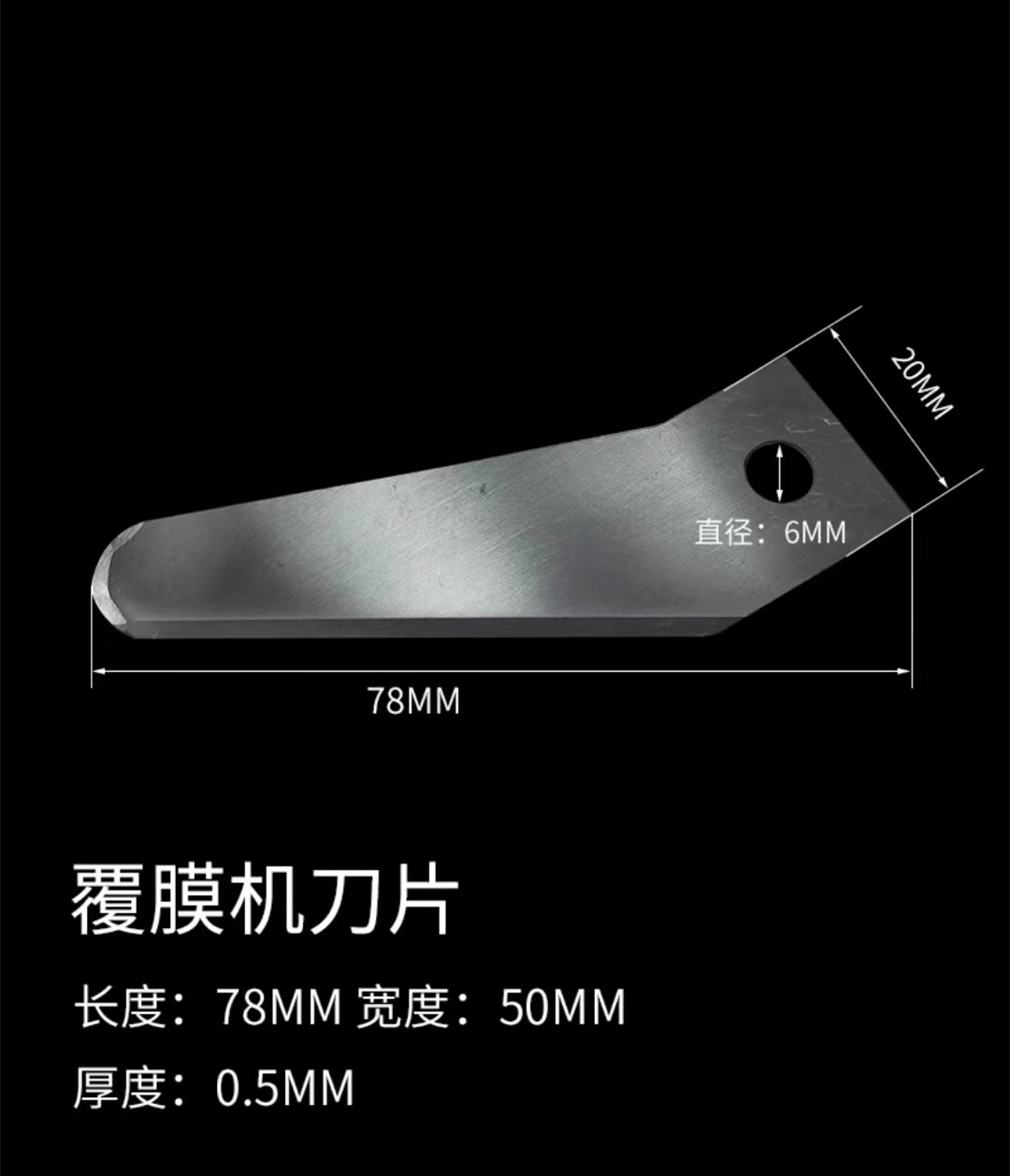
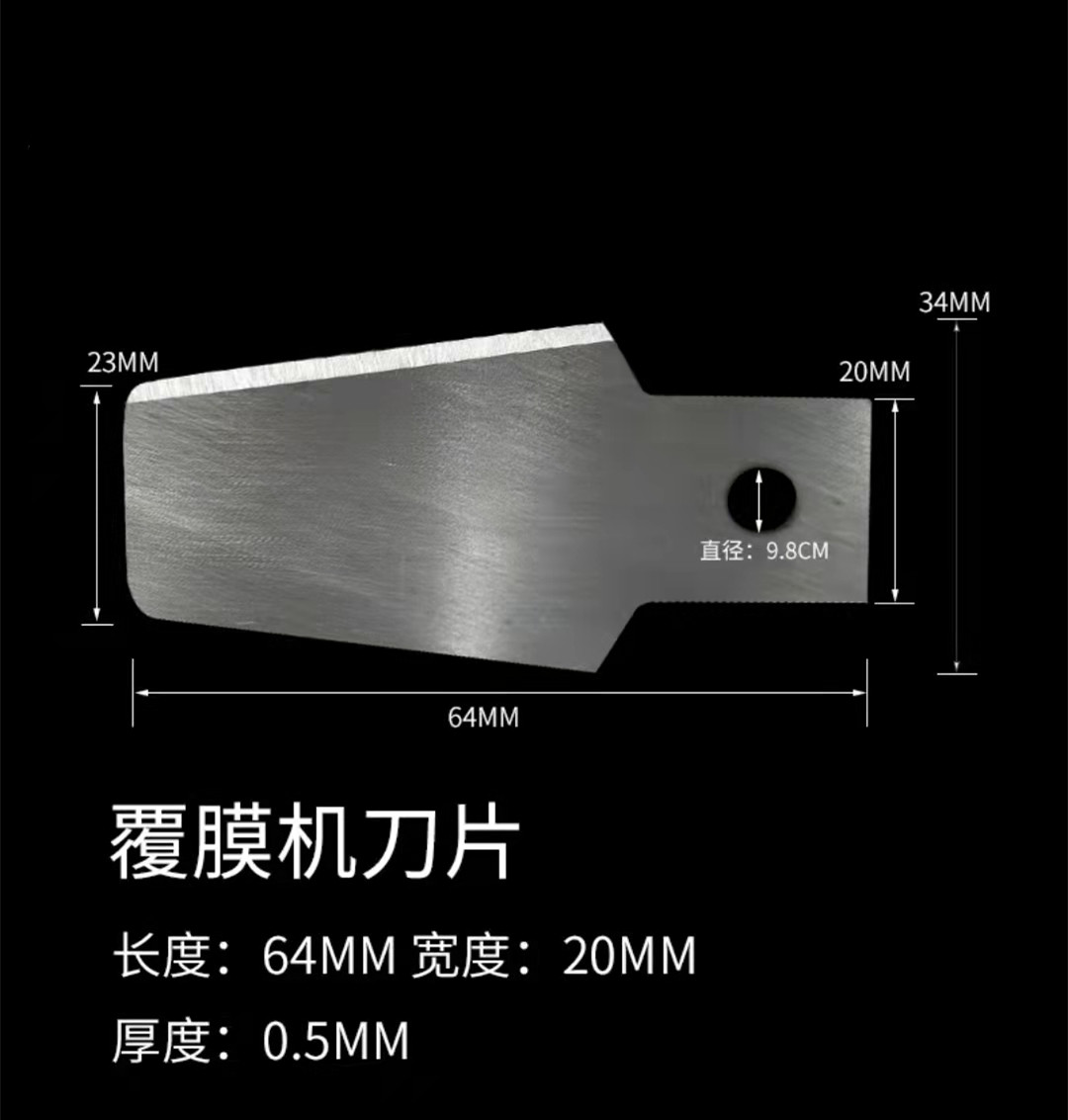
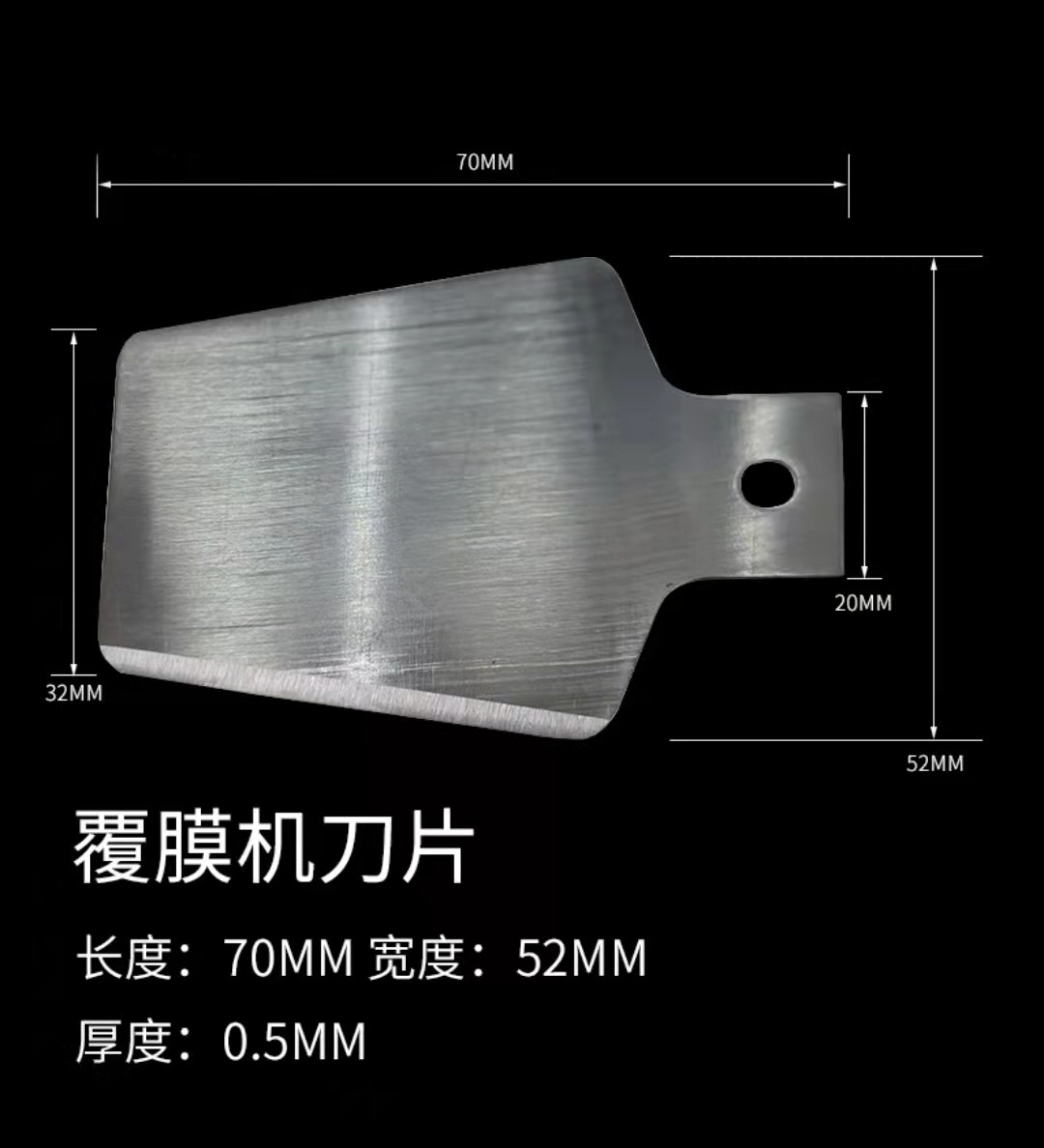
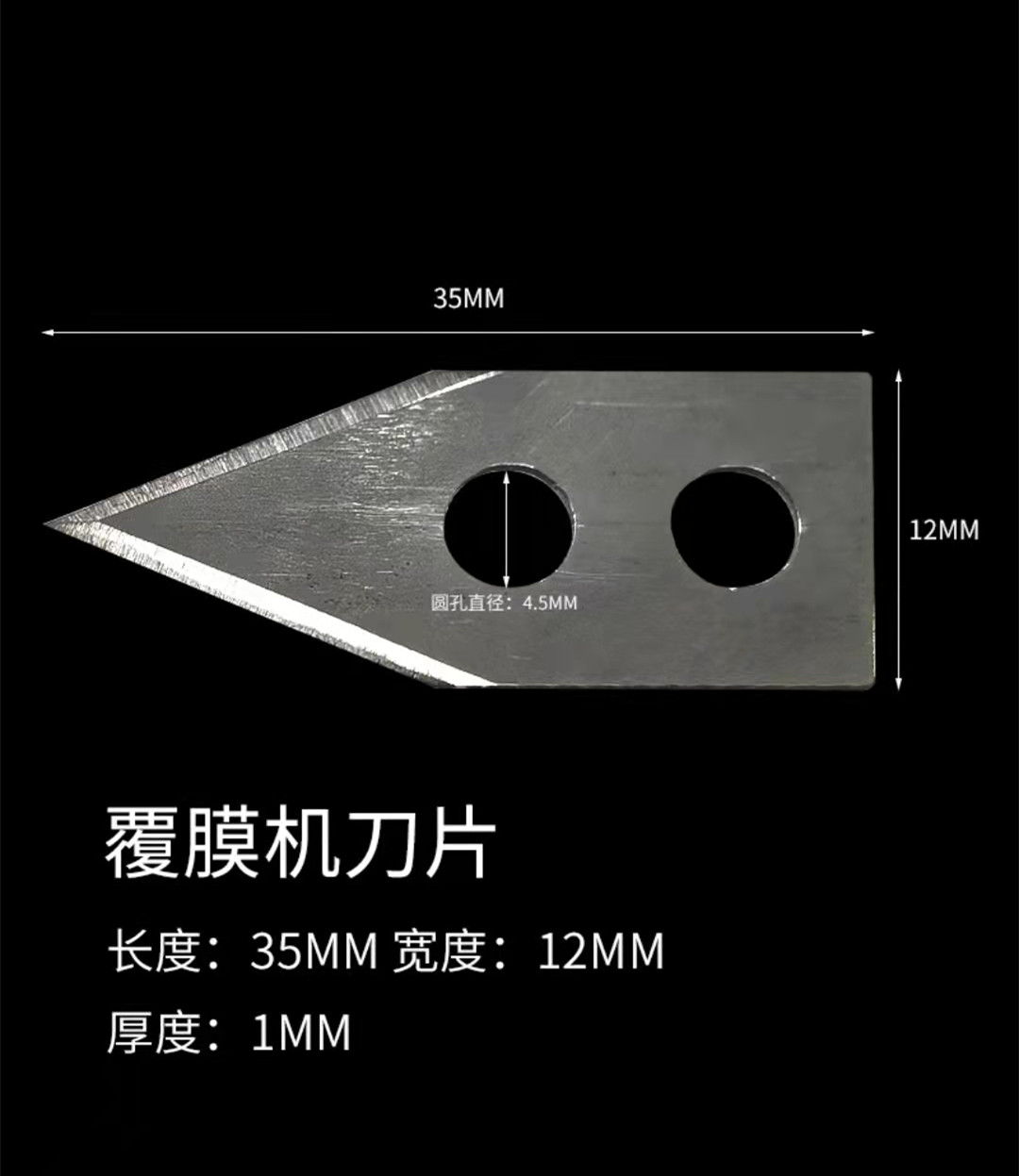
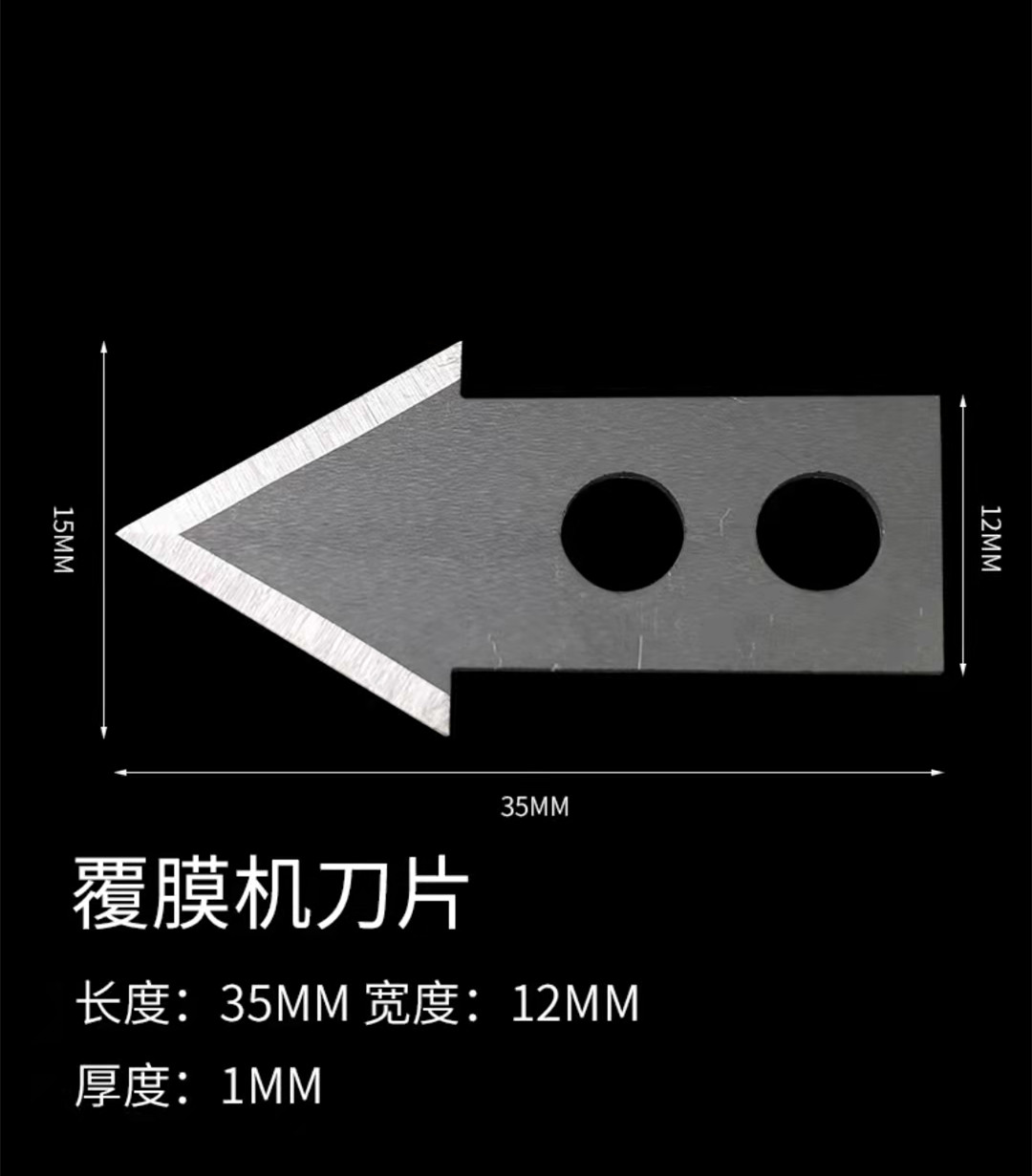
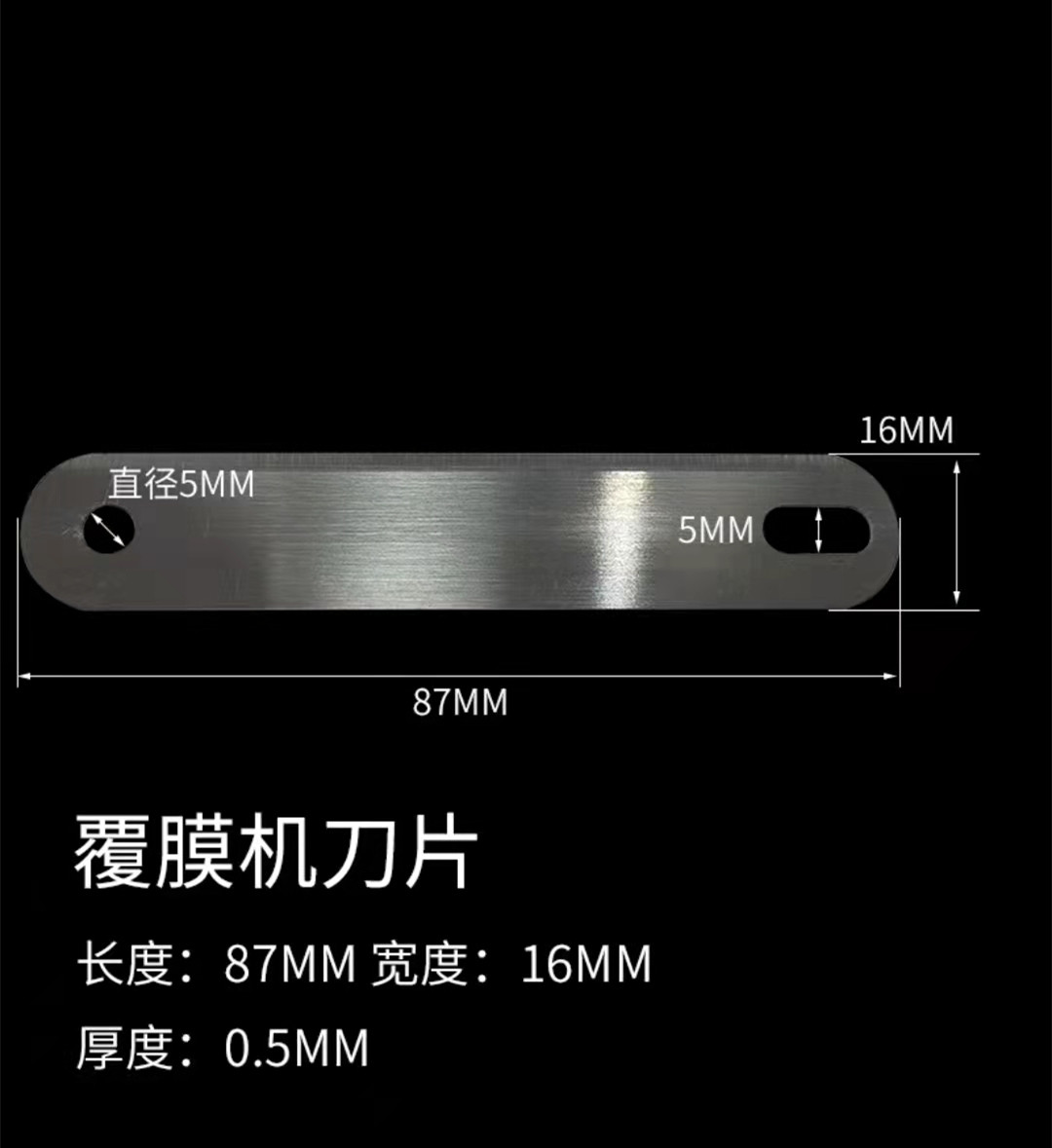


Automatic laminating machine blade Cutting film paper blade Paper cutting machine sharp knife triangle knife
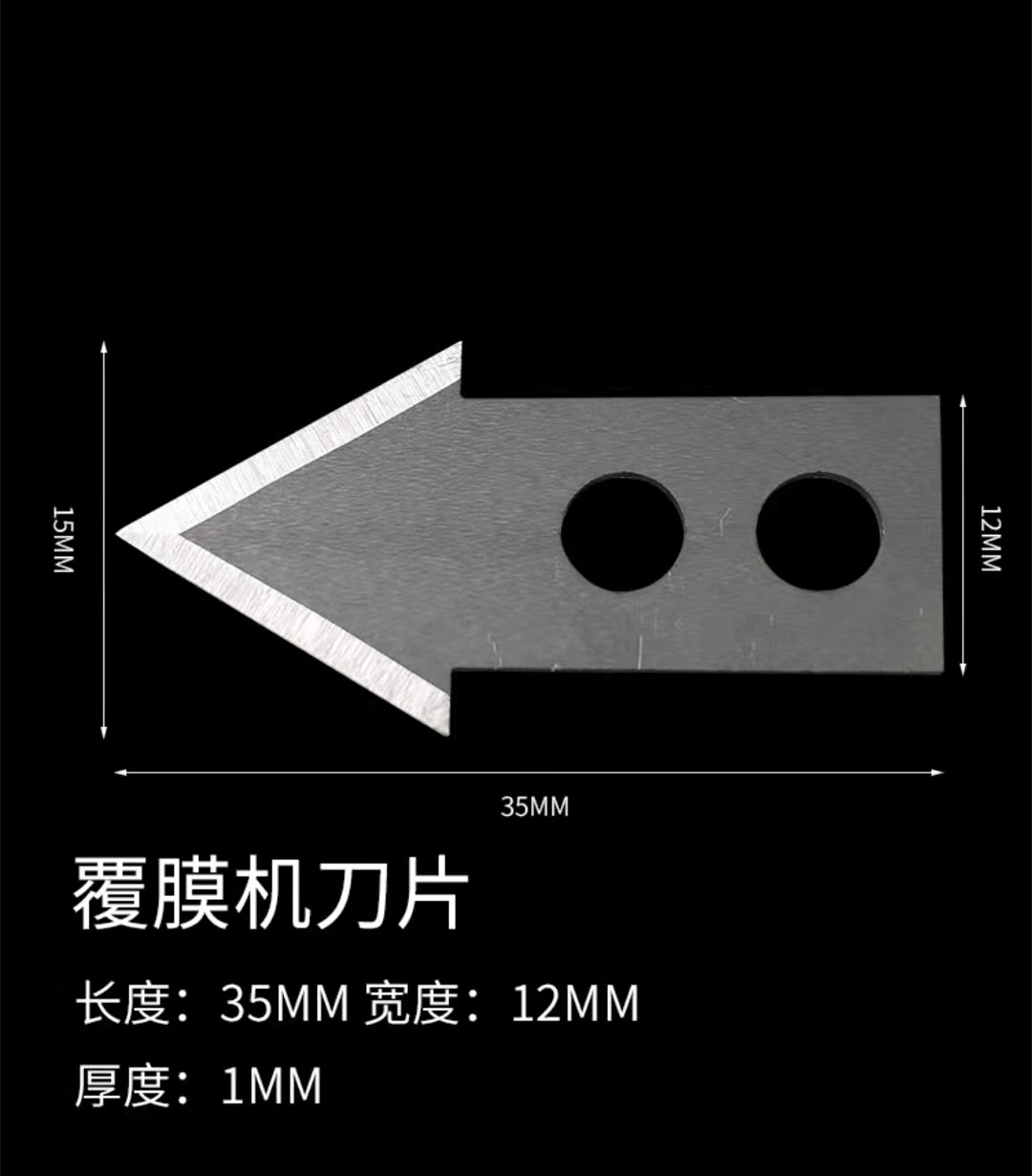
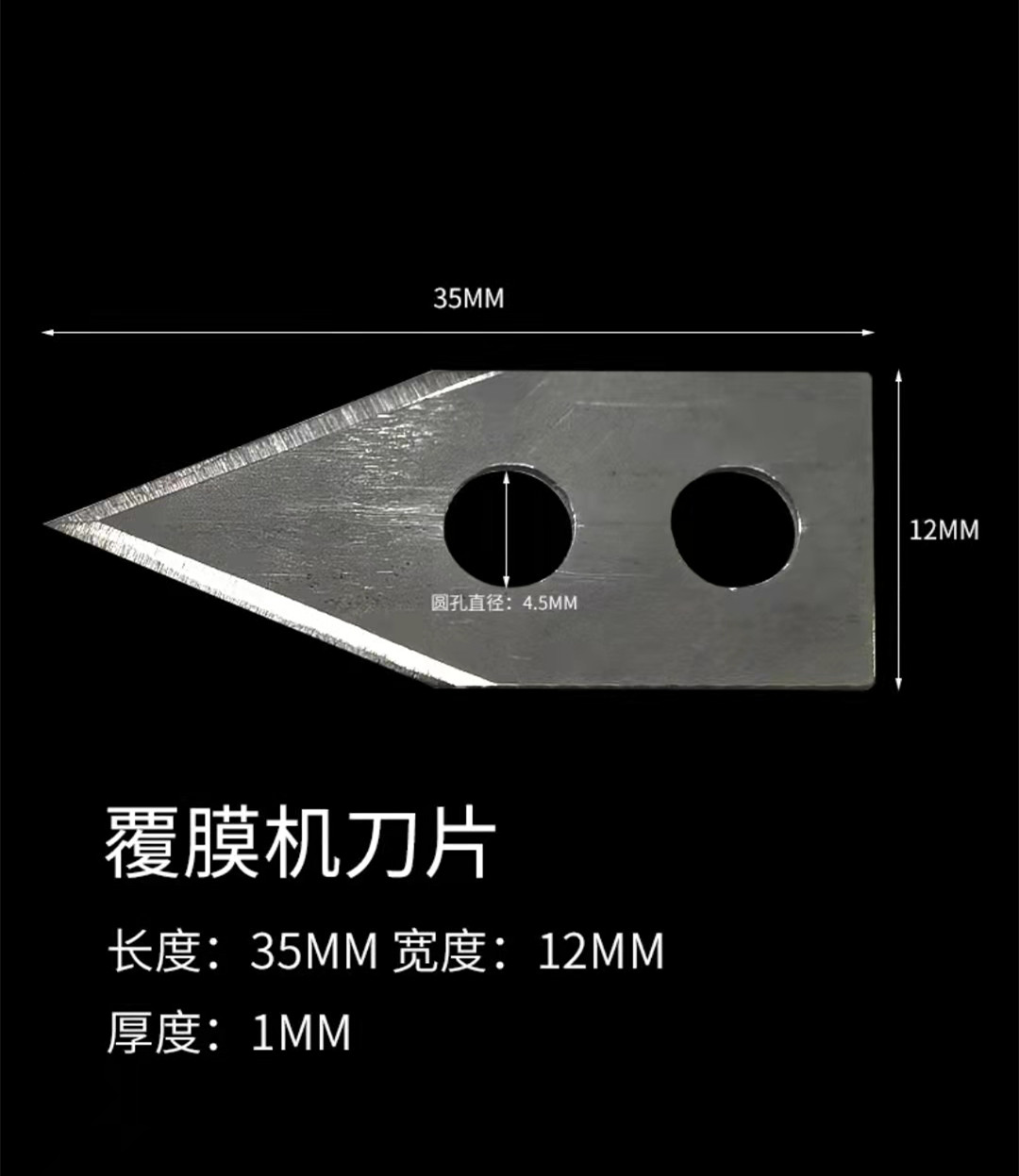
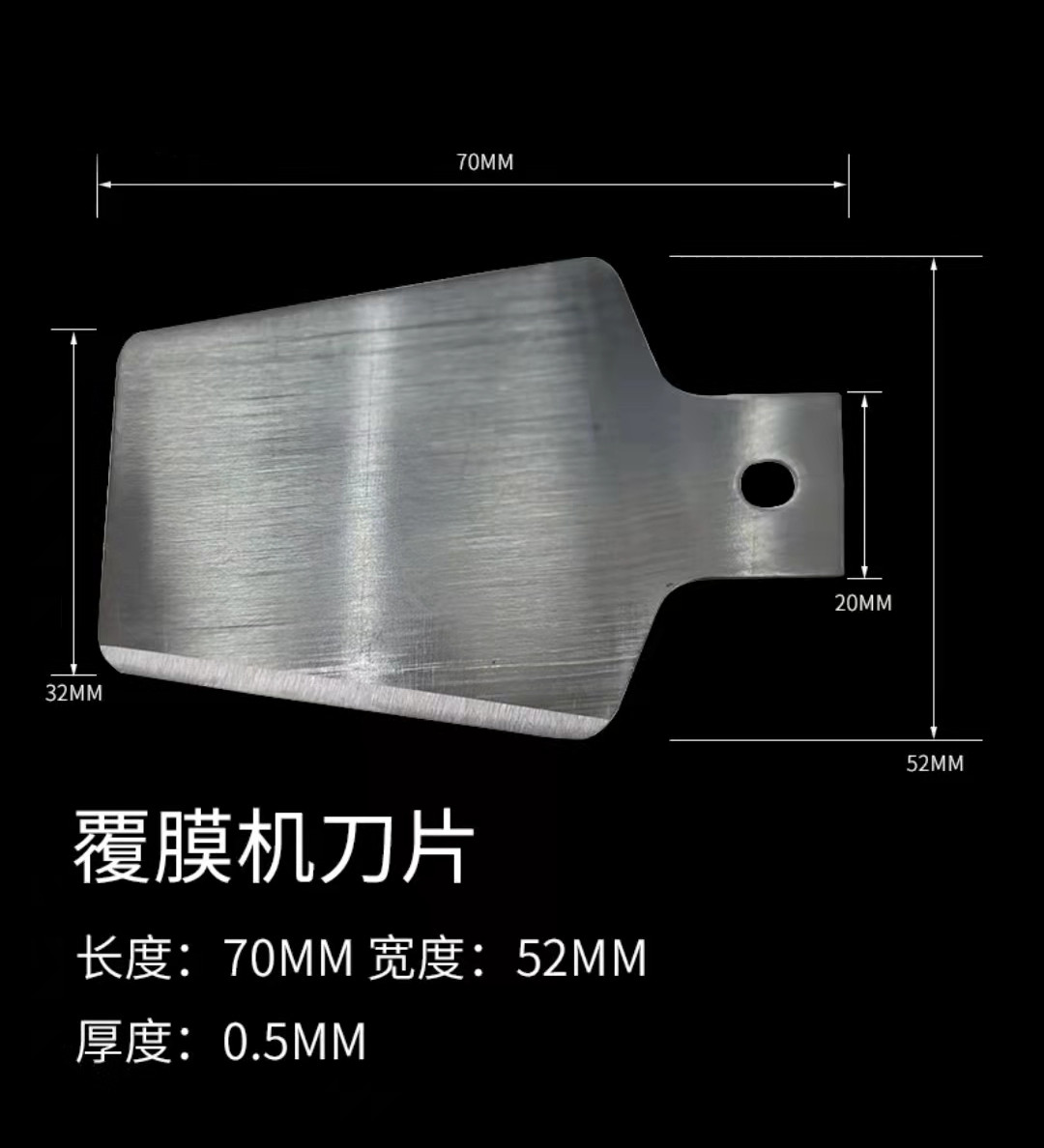
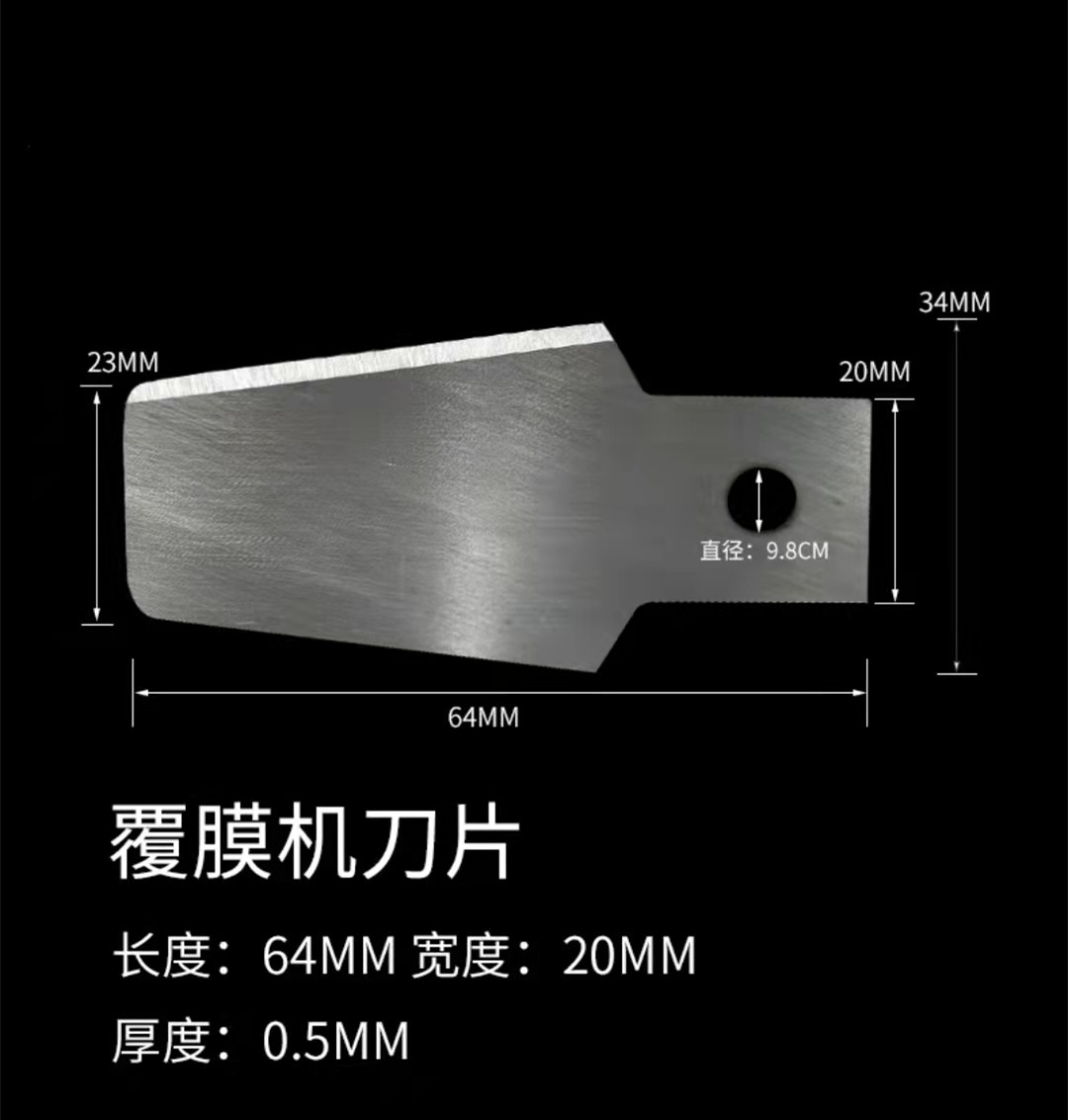
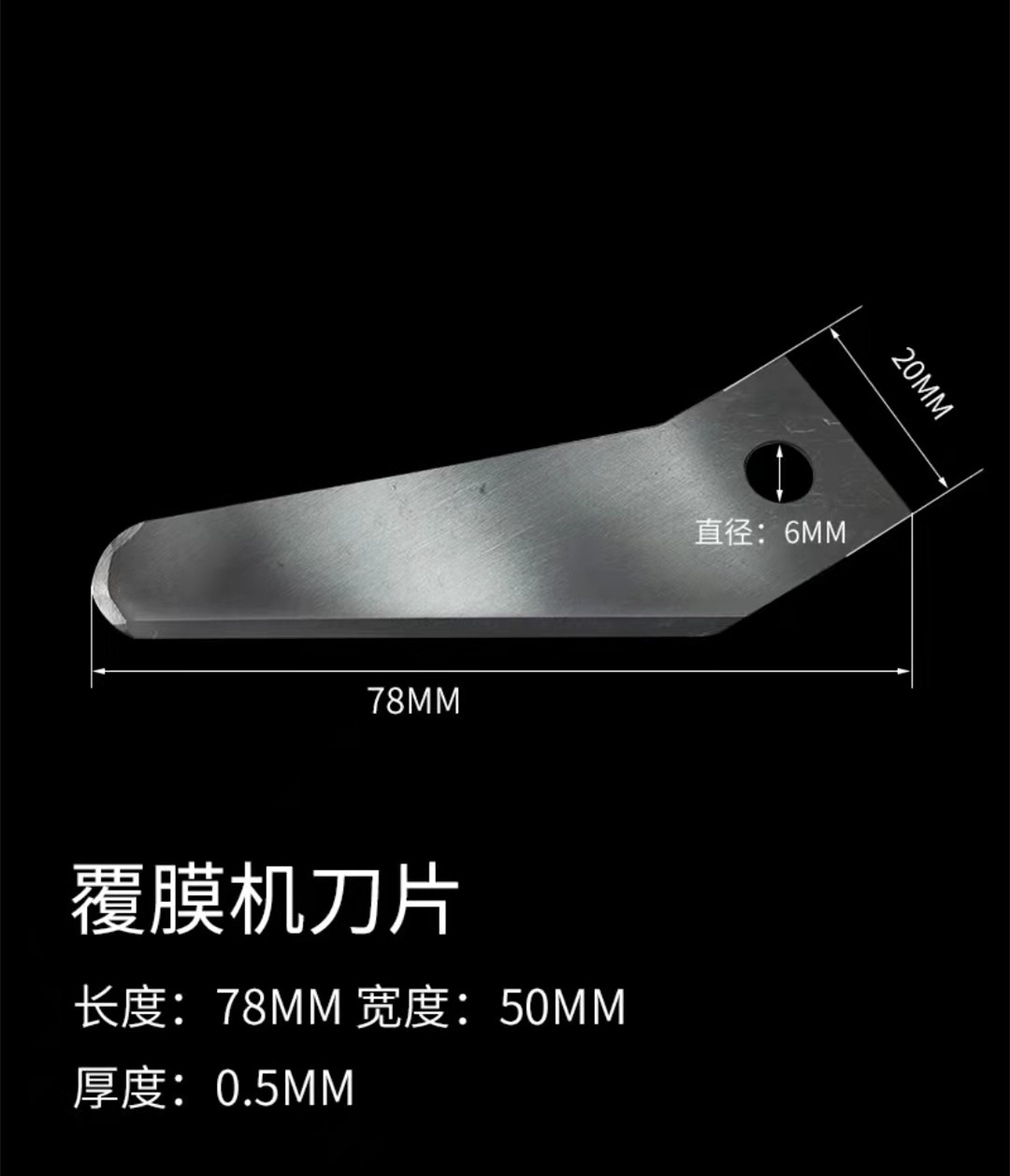
Tungsten steel profiled blades are high-performance cutting tools used in the slitting and trimming components of automatic laminating machines. Made from tungsten carbide (tungsten steel), these blades are valued for their extreme hardness and ability to provide precise, clean cuts through various films and papers.
Key Functions & Applications
· Trimming & Slitting: These blades are primarily used in the slitting devices of laminating machines to trim excess film or paper from the edges of a laminated product.
· Profiled Versatility: "Profiled" refers to blades with specific shapes (such as triangular or slotted) designed to fit specialized machine holders or to achieve specific edge finishes.
· Broad Material Compatibility: They are suitable for cutting color adhesive media, vinyl, cold-laminated film, and abrasive materials like paper and cardboard.
Benefits of Tungsten Steel (Carbide)
|
Feature |
Benefit |
|
Extreme Hardness |
Maintains a sharp edge significantly longer than standard steel, often lasting up to 5 times longer. |
|
Heat Resistance |
Manages thermal stress better during high-speed operations, preventing the edge from softening or deforming. |
|
Precision |
Engineered to high tolerances to ensure clean, burr-free cuts, which is critical for professional-grade lamination. |
|
Durability |
High resistance to abrasion and deformation, reducing production downtime for blade replacements. |
Comparison and Usage Considerations
· Cost vs. Longevity: While the initial cost of tungsten steel blades is higher than stainless or carbon steel, they are often more cost-effective over time because they require fewer replacements.
· Brittleness: A drawback of tungsten carbide is its brittleness; it can chip or crack if mishandled or subjected to sudden impacts.
· Maintenance: Once they dull, they can be sharpened using specialized equipment (like diamond wheels) to restore their original cutting performance
More knife type:http://www.china-oyea.com
© 2026 Shenzhen Oyea Machinery Co., Ltd. All Rights Reserved 


Call us now!