

How do I choose the right oscillating knife blades for my CNC machine
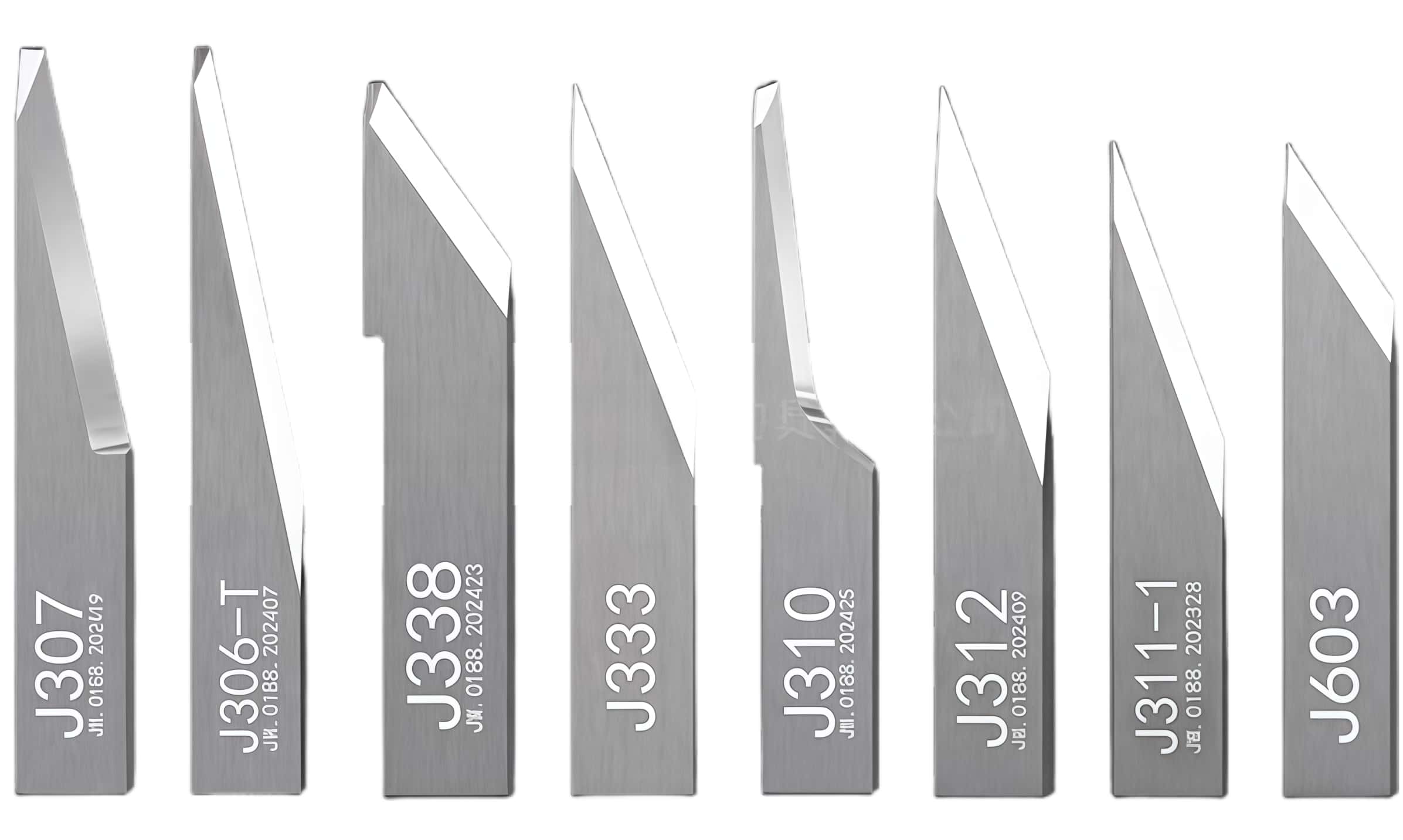
Selecting the appropriate oscillating knife blades for your CNC machine is a critical step that directly impacts the quality and efficiency of your cutting processes. To ensure optimal performance, it is essential to take into account several factors tailored to the type of material you intend to cut and the operational characteristics of your machine. Below are some detailed guidelines to help prioritize your selection:
Blade Length
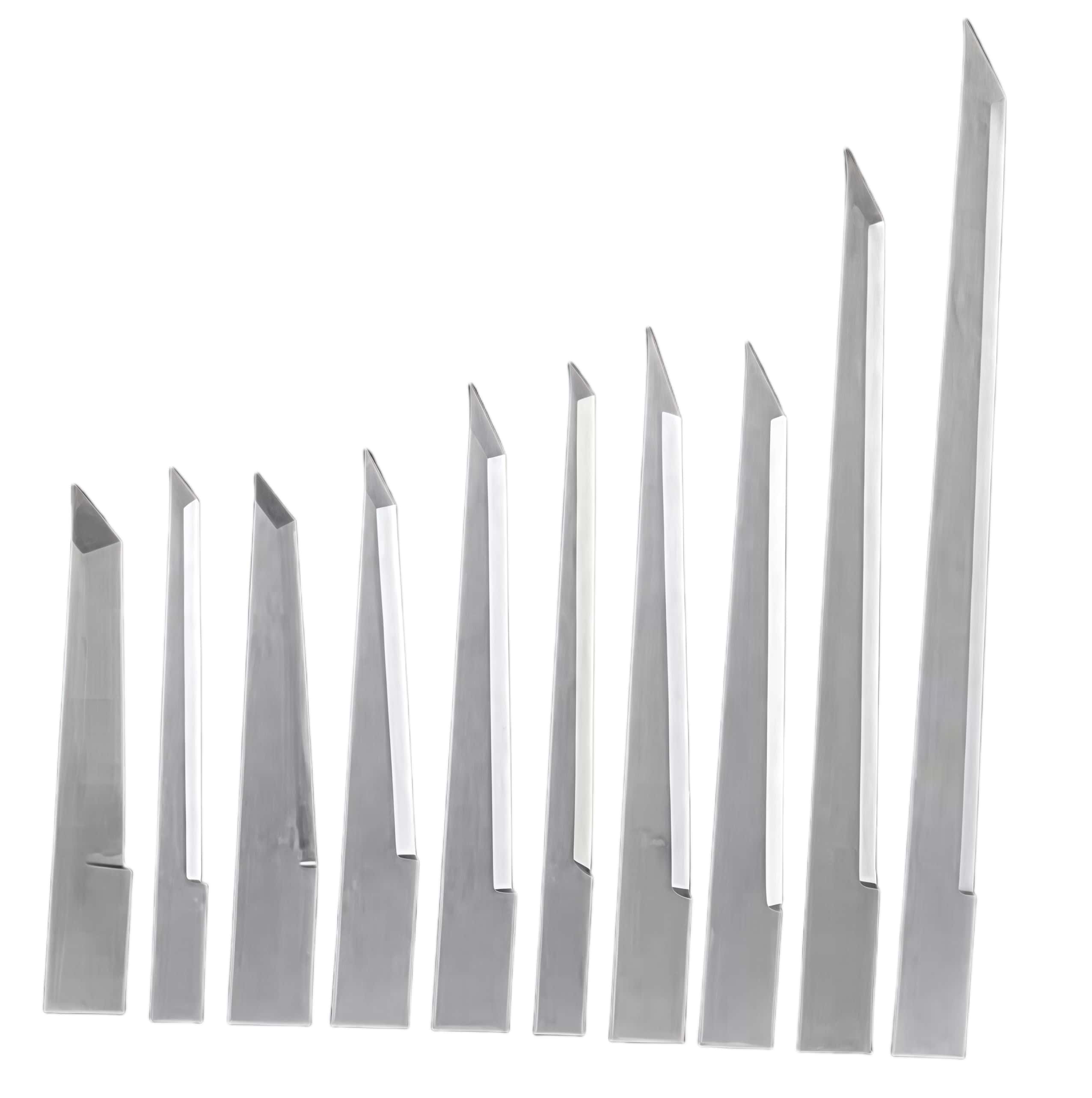
The length of the blade plays a pivotal role in determining its suitability for specific materials. For effective cutting, the blade must exceed the material's thickness by at least 5 millimeters. Blade lengths typically vary to accommodate different material densities: thinner materials often require 10mm blades, whereas thicker, stiffer materials—such as foam panels or corrugated cardboard—may necessitate blades 30mm or longer. Ensuring a proper length will not only enhance cutting accuracy but also minimize potential errors during operation.
Blade Shape and Cutting Angle
Blade geometry, including its shape and angle, must align with the specific demands of the material and the desired level of precision. Various blade angles are better suited for certain applications:
- 0° blades excel at producing highly intricate cuts and are ideal for working with materials up to 50mm thick, such as acoustic panels.
- 16° blades perform effectively on thinner materials like rubber and are optimal for small-diameter cuts.
- 23° to 26° blades offer a balanced solution for medium-density materials, ensuring efficient cuts.
- 30° to 35° blades cater to dense and rigid substances, providing durability and accuracy.
Matching the blade angle correctly with your material type improves precision and operational efficiency while reducing potential wear on the blade.
Blade Rigidity and Thickness
The rigidity and thickness of your blade significantly impact its ability to handle denser or harder materials. Thicker blades, such as those with a thickness of 1.5mm, offer better structural stability, minimizing flex or deformation during operation. For especially tough materials—like graphite composites—modifying the tip of the blade (e.g., through blunting) can further enhance cutting performance. Rigidity and thickness must strike a balance between durability and flexibility to prevent any compromise on reliability.
Material Compatibility
Oscillating knife blades are particularly advantageous for cutting thicker or multi-layered materials. Examples include foam, leather, textiles, EVA, and rubber. These blades excel in situations where precision is essential while handling dense fabrics. On the other hand, thin single-layer materials such as paper or film may benefit more from the use of circular blades, which are specifically designed for lightweight applications. Additionally, consider the mechanical configuration of your oscillating tool. Electric-powered systems often handle materials up to 28mm thick, whereas pneumatic systems can work efficiently with denser substances, accommodating thicknesses up to 50mm.
Tool Compatibility and Blade Shank Configuration
Compatibility between the blade and your CNC machine’s oscillating tool or knife holder is crucial for seamless operation. Make sure the blade's shank corresponds to your machine's specifications. Shank configurations come in various shapes—round or flat—and dimensions typically range from 6mm, 0.63mm, 1mm, to 1.5mm depending on the model or manufacturer. Verify these compatibility details beforehand to avoid operational delays or equipment damage.
By closely evaluating these factors—blade length, shape, rigidity, suitability for specific materials, and compatibility with your CNC tool—you can make an informed decision that meets both your production requirements and efficiency standards. Striking the right balance will not only optimize cutting precision but also extend the longevity of the blades and improve overall workflow productivity.

Summary of How to Choose Right Oscillating Blades
|
Factor |
Recommendation |
|
Blade Length |
At least 5mm longer than material thickness; varies from 10mm (thin) to 30mm+ (thick materials) |
|
Blade Angle |
0°, 16°, 23°–26°, 30°–35° based on material type and thickness |
|
Blade Thickness |
0.63mm to 1.5mm; thicker blades for harder materials |
|
Material Thickness |
Oscillating knives for thicker/multilayer materials; circular blades for thin/single-layer |
|
Tool Compatibility |
Match blade shank type and diameter to CNC machine’s oscillating tool |
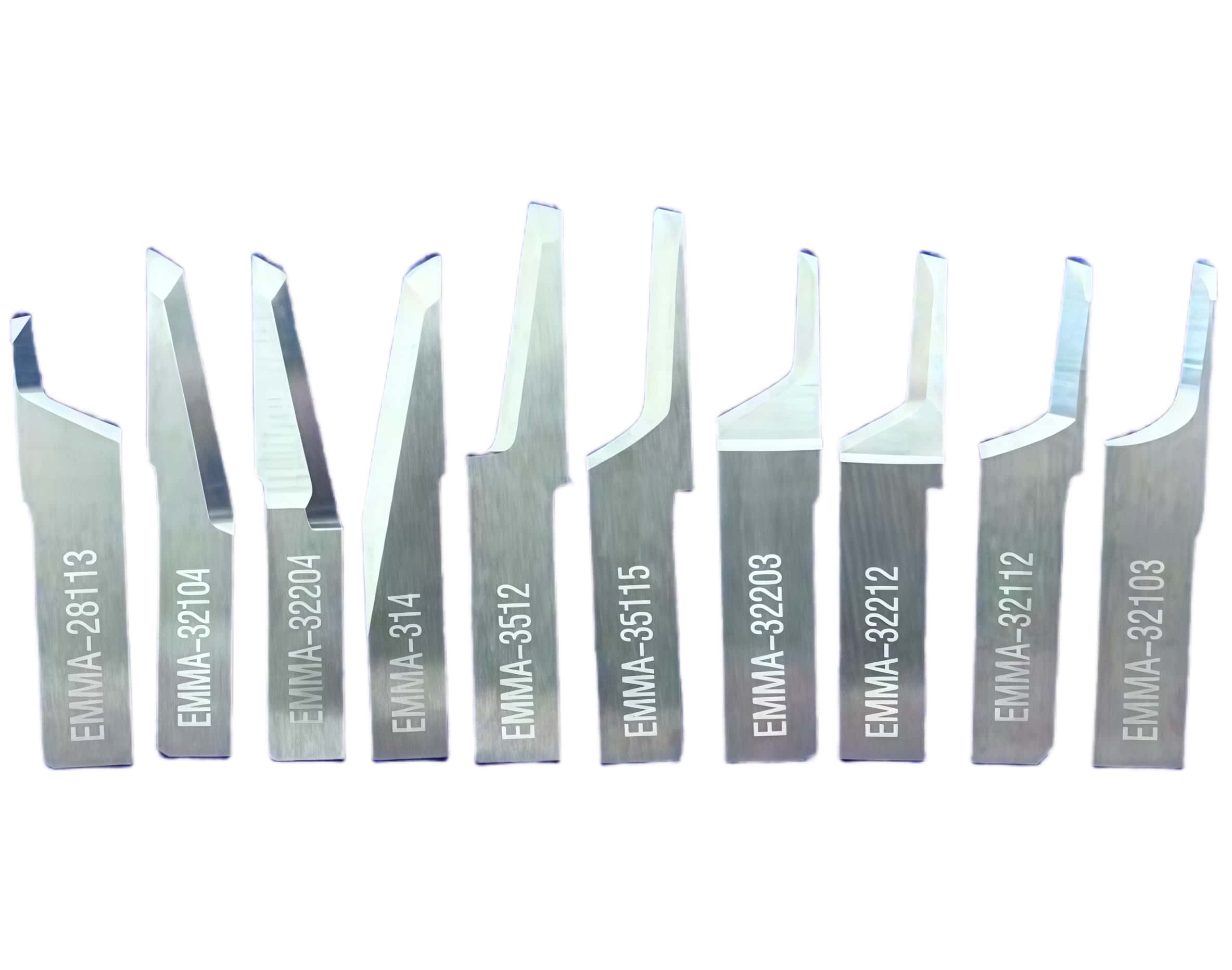
Aristo, Atom, Benz, Bullmer, Comagrav, CombiPro, Data Technology, DRD Dierre, Dyss, Ecocam, Elcede, Elitron, Esko Kongsberg, Gerber, Graphtec, Gunnar, Haase, Harmuth, iEcho Science & Technology, Kasemake, Krause, Kuris, Lasercomb, Marbach, Mécanuméric, Mimaki, Misomex, Multicam, Roland, Sei, Summa, Valiani, Wild, and Zund knife blades—specialized in production, manufacturing, wholesale supply, and OEM/ODM services. Offering quality replacement and compatible options at competitive unit prices.


PREV : ATOM Covered Long Life Notching & Punching Tools NEXT : Frequently Asked Questions