
Oem (Original Equipment Manufacturer) Vs Odm (Original Design Manufacturer) Tungsten Steel Blade
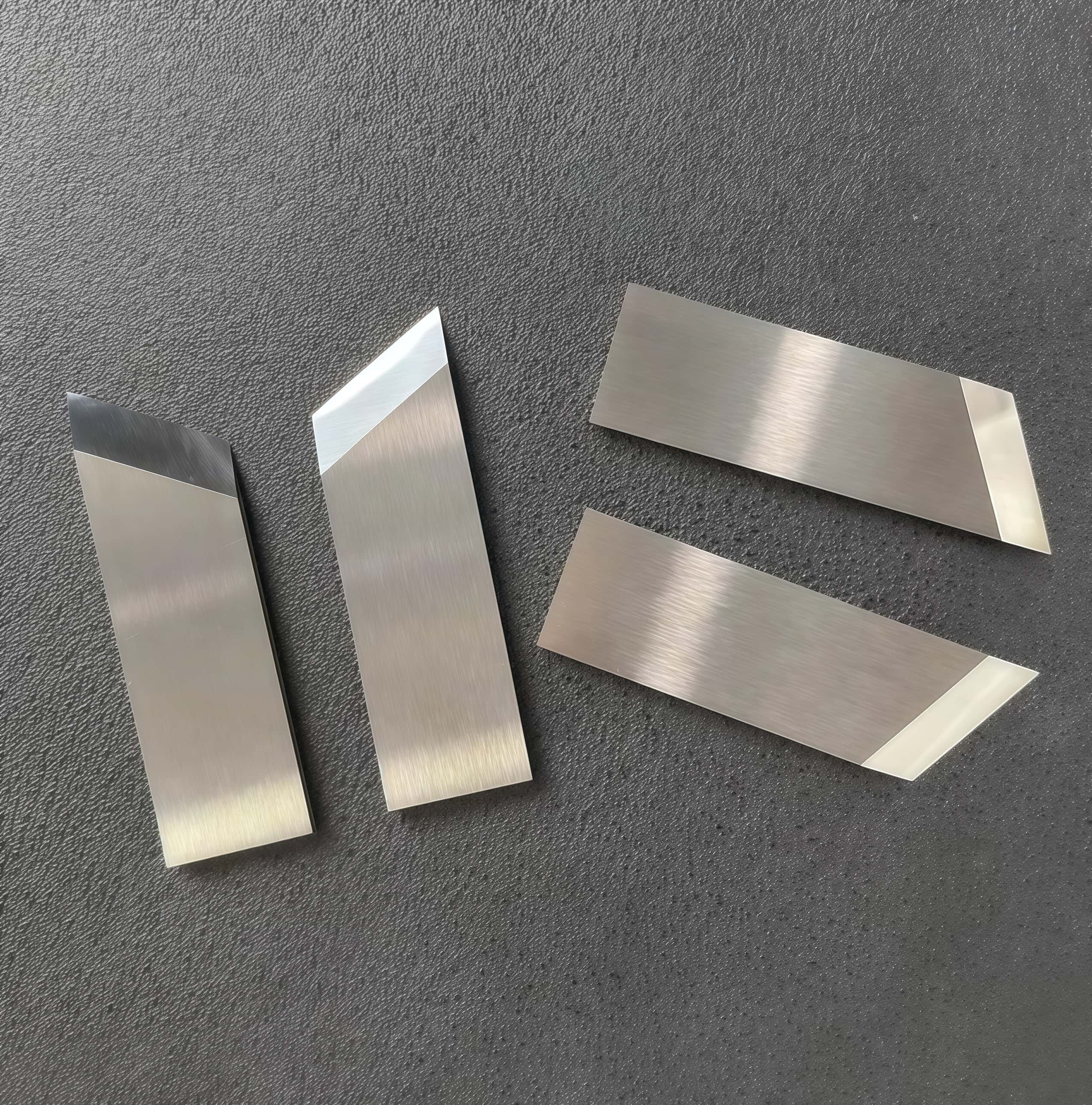
· OEM is for companies with their own unique blade designs (specific hardness, edge geometry, or shape) who need a factory to manufacture them to exact specifications.
· ODM is for companies looking to quickly sell high-quality, pre-designed tungsten steel blades under their own brand without investing in research and development.
Key Differences for Tungsten Steel Blades
Tungsten steel (tungsten carbide) is highly specialized; choosing the wrong model can impact both performance and intellectual property.
· Design & IP Ownership: In an OEM arrangement, the buyer owns the design and all intellectual property (IP), ensuring the blade's specific technical features remain exclusive. With ODM, the manufacturer owns the design, meaning multiple brands might sell the exact same blade.
· Customization: OEM offers full customization of materials and technical specs, which is critical for specialized industrial applications. ODM typically limits changes to branding, color, or minor packaging alterations.
· Cost & Investment: OEM requires high upfront costs for R&D, custom molds, and tooling. ODM is significantly cheaper and faster because the manufacturer has already handled the development and testing phases.
· Time to Market: ODM products can be ready for sale in weeks since they are pre-validated. OEM projects may take months or years to move from concept to final production.
·
Strategic Selection Guide
Experts suggest matching the manufacturing model to your specific business goals and technical needs.
|
Feature |
OEM (Original Equipment Manufacturer) |
ODM (Original Design Manufacturer) |
|
Best For |
Unique, high-performance industrial blades |
Generic blades for standard applications |
|
Control |
Full control over materials and standards |
Limited control; relies on factory standards |
|
Risk |
Buyer bears risk of design performance |
Proven designs with lower technical risk |
|
MOQ |
Often higher minimum order quantities |
More flexible MOQs for standard products |
Comparison of Real-World Examples
OEM Blade Example: Renowned industry leaders in cutting solutions include Aristo, Atom, Benz, Bullmer, Comagrav, CombiPro, Data Technology, DRD Dierre, Dyss, Ecocam, Elcede, Elitron, Esko Kongsberg, Gerber, Graphtec, Gunnar, Haase, Harmuth, iEcho Science & Technology, Kasemake, Krause, Kuris, Lasercomb, Marbach, Mécanuméric, Mimaki, Misomex, Multicam, Roland, Sei, Summa, Valiani, Wild, and Zund. These companies offer premium-quality cutters alongside a wide range of accessories such as knives, punching bits, router bits, underlay materials, cutting mats, brushes, spare parts, and more. Whether you need tools for personal tasks or large-scale production requirements, these brands supply excellent products through dedicated shops or wholesale distributors like China-Oyea to meet exact specifications.
ODM Blade Example: A new hardware brand might select a standard tungsten steel circular saw blade from a manufacturer's catalog and customize it by adding their own branding or logo to quickly bring the product to market.


PREV : China Non-standard Customization Tungsten Steel Knives Knife Blade NEXT : The 32nd South China International Exhibition on Printing Industry - 2026