

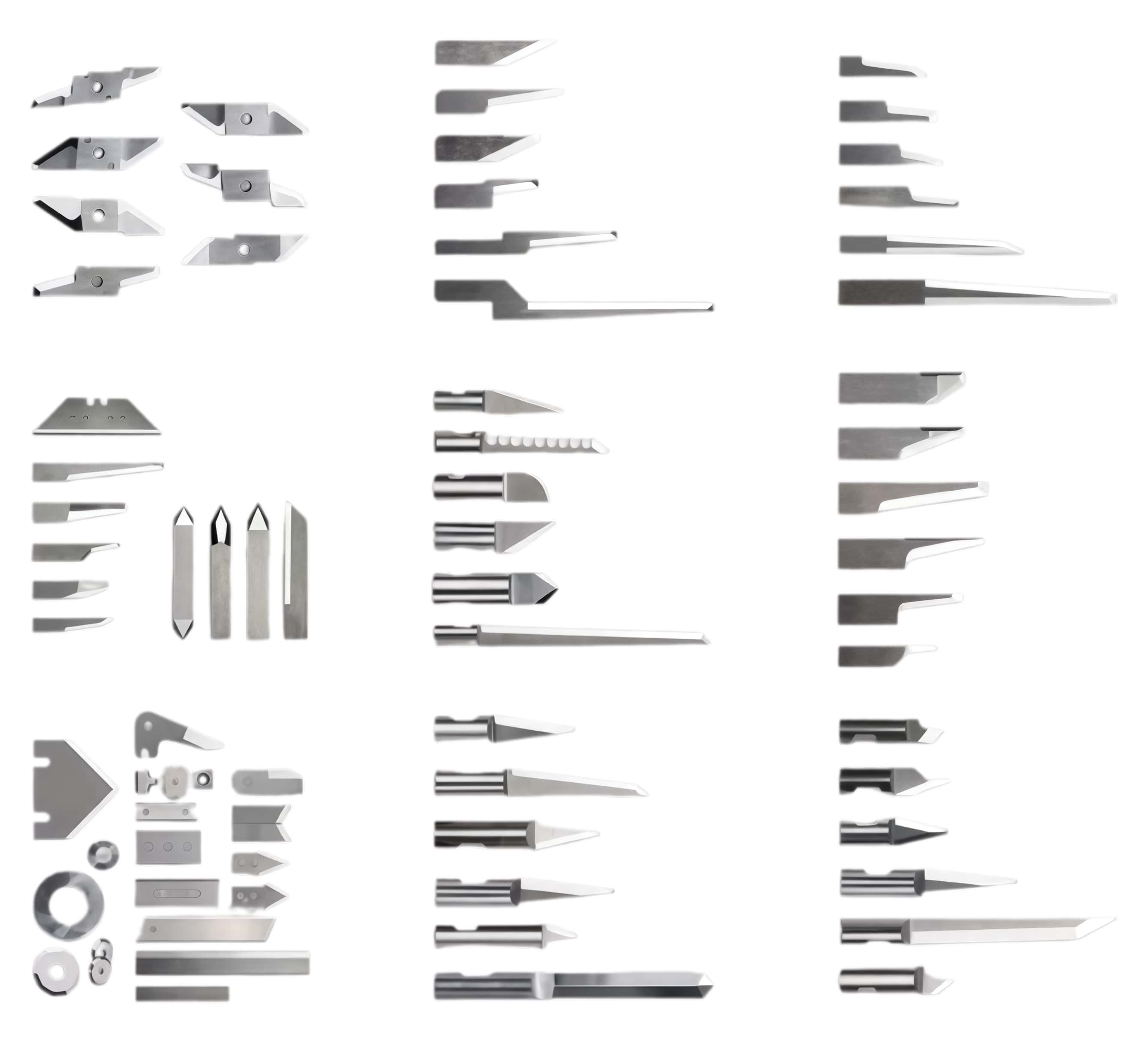
Sharpen or Replace?
Tungsten carbide blades are typically considered more practical to replace than to attempt DIY sharpening. Resharpening requires specialized diamond grinding equipment and precise jigs to maintain the original cutting angles. While minor touch-ups with a fine diamond stone can sometimes help, the process is labor-intensive and risks chipping the brittle edge. Most users find professional sharpening or full replacement the more cost-effective solution.
Step-by-Step Maintenance Guide
Proper maintenance can significantly extend a blade’s lifespan, sometimes by as much as 50%, by minimizing adhesive and heat build-up that accelerates dulling.
1. Daily Cleaning: After each run, gently wipe the blade with a soft cloth and either reagent alcohol or isopropyl alcohol to remove adhesive, ink, and substrate particles.
2. Inspection for Damage: Use a magnifying glass to look for microchips or rounded edges. Chipped blades cannot be restored with honing and require professional grinding or replacement.
3. Lubrication: For tools equipped with oscillating knives, apply 2–3 drops of transparent pneumatic oil or sewing machine oil to the lubrication port every two weeks to maintain consistent vibration performance.
4. Honing (Optional): If an edge appears slightly worn but remains chip-free, use a fine diamond honing stone (1200+ grit) with gentle pressure to realign the edge. Ensure you maintain the manufacturer’s original angle, typically 45° for industrial TC blades.
5. Proper Storage: Store blades securely in their original plastic cases or foam-padded drawers. Prevent blades from contacting one another, as tungsten carbide is prone to chipping when hit against hard surfaces.
Maintenance Tools: Recommendations
For effective care, use tools specifically suited for tungsten carbide blades since standard steels and softer abrasives will not suffice:
- Honing Stones: Extra-fine DMT Dia-Sharp stones and Atoma Diamond Plates are excellent for light touch-ups or burr removal.
- Cleaning Agents: Isopropyl Alcohol (99%) or Goo Gone effectively eliminate adhesive residues.
- Lubricants: Synthetic oils like Kershaw Knife Oil or Liberty Synthetic Oil protect any non-carbide components such as steel shanks from corrosion.
- Inspection Tools: Devices like the Belomo 10x Triplet Loupe can help identify micro-damage before it leads to performance issues.
Key Considerations for Digital Cutting Blades
- Heat Management: Tungsten carbide is vulnerable to thermal shock; always employ water or coolant during manual sharpening to prevent friction-induced micro-cracks.
- Contamination vs. Dullness: A blade that seems dull may simply be coated in adhesive residue or other buildup rather than truly blunt; thorough cleaning often restores its sharpness without removing material.
- Calibration Post-Sharpening: Resharpened blades require re-calibration of your cutting machine’s Z-axis, as the length of the blade will change during grinding.
Through proper care and maintenance, you can maximize efficiency and prolong the durability of your cutting blades while ensuring precision with every run.
Product Categories
- Atom Knives Knife Blade For Atom Cutter
- Comelz Knives Knife Blade For Comelz Cutter
- Elitron Knives Knife Blade For Elitron Cutter
- Esko Kongsberg Knives Knife Blade For Esko Cutter
- Teseo Knives Knife Blade For Teseo Cutter
- Summa Knives Knife Blade For Summa Cutter
- Zund Knives Knife Blade For Zund Cutter
SHARE:


PREV : Esko Kongsberg BLD-SR6313 BLD-SR6521 BLD-SR6522 BLD-SR6523 SR6832 CNC knife blades NEXT : How to measure blade compatibility with my Comelz cutter