

A Guide to CNC Digital Knife Cutting Tools head & Knife Blades
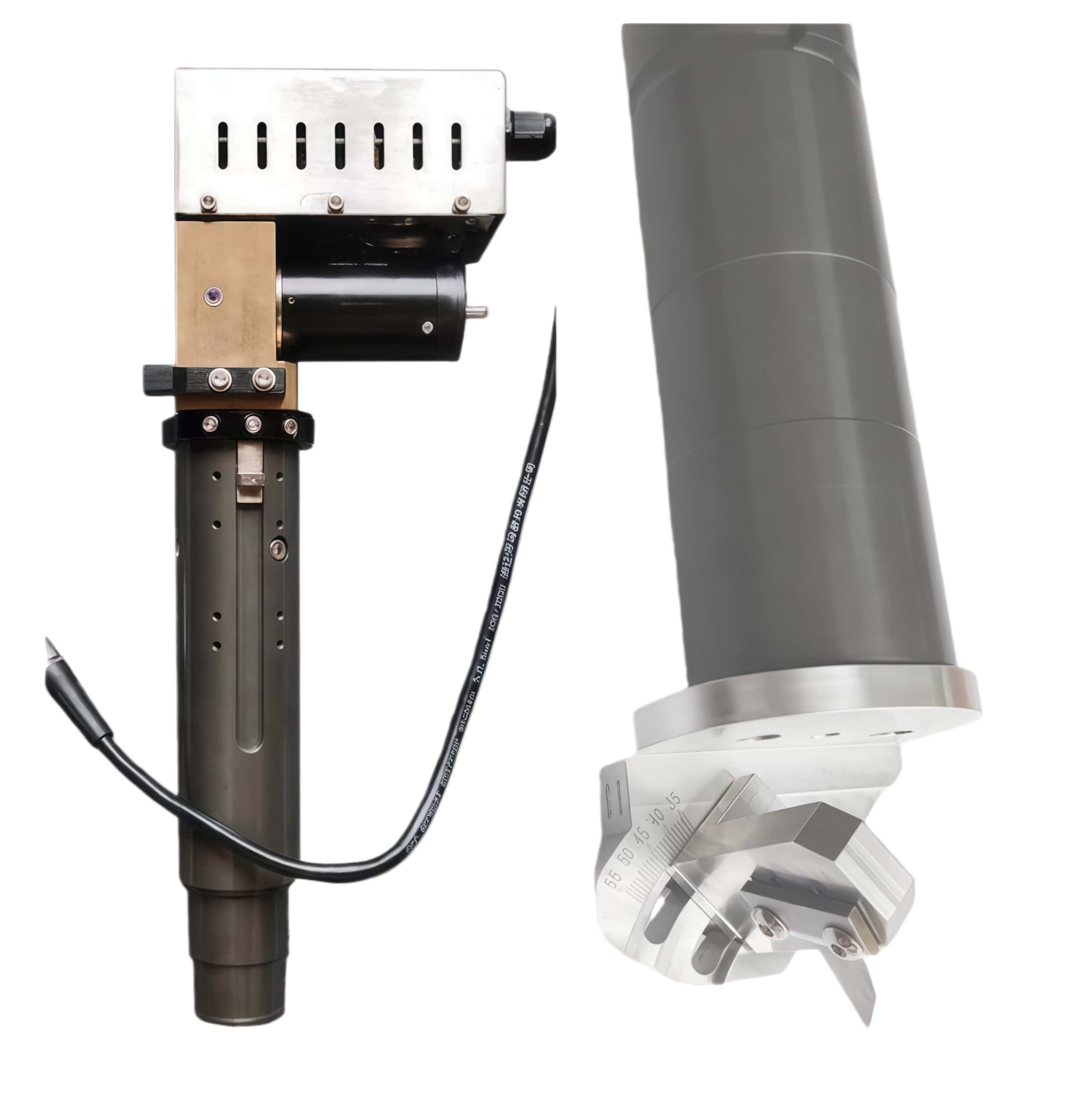
1. What Is a CNC Digital Knife Cutting System?
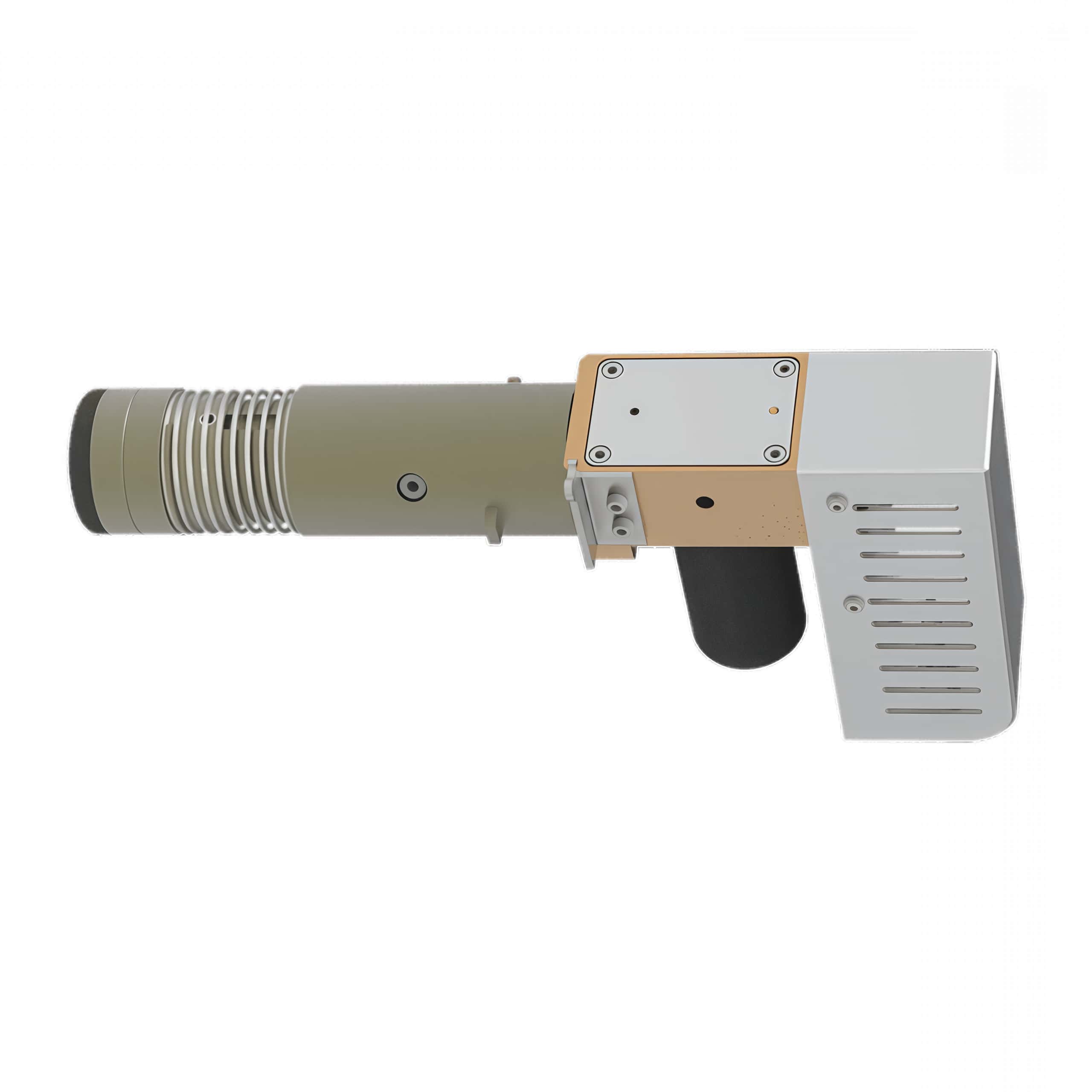
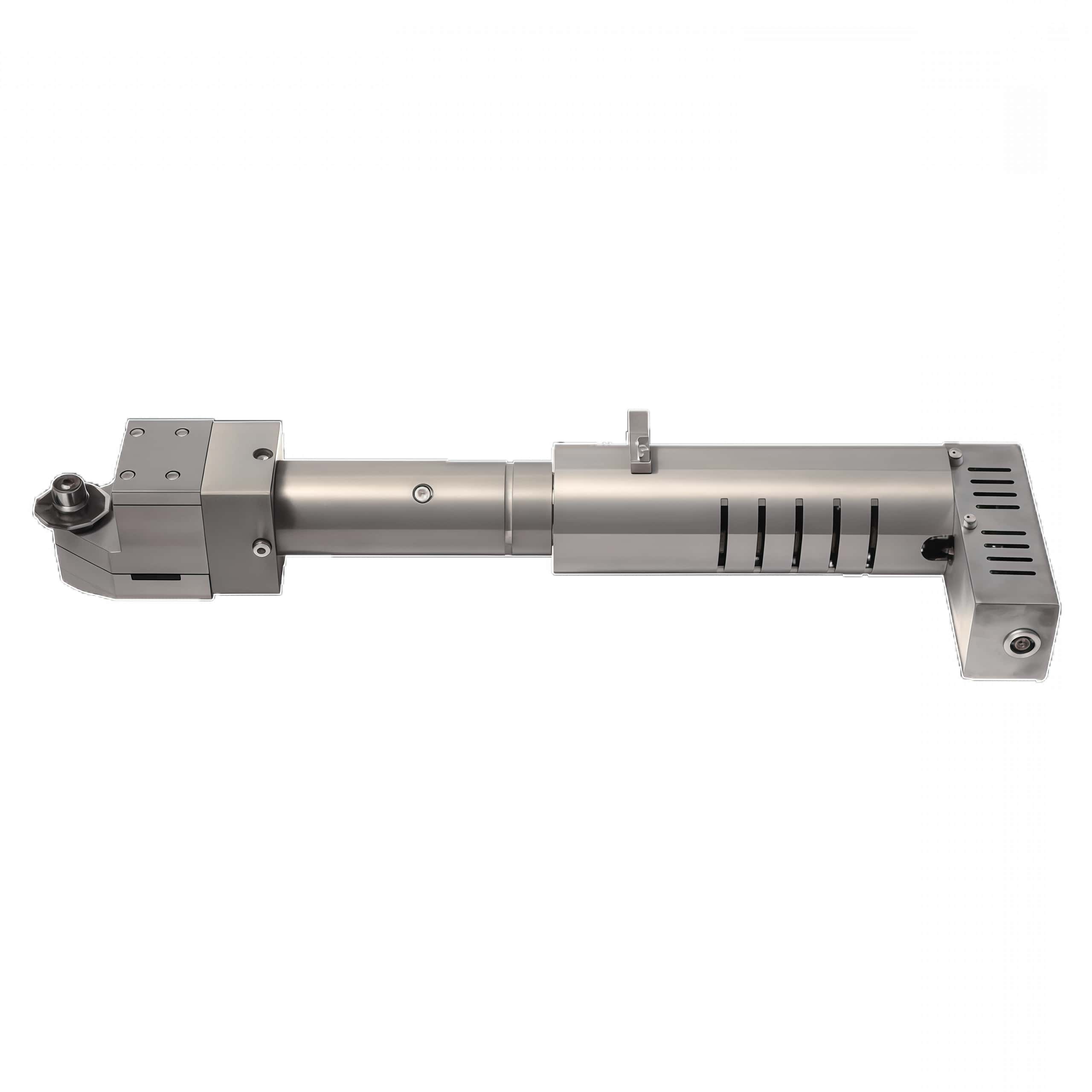
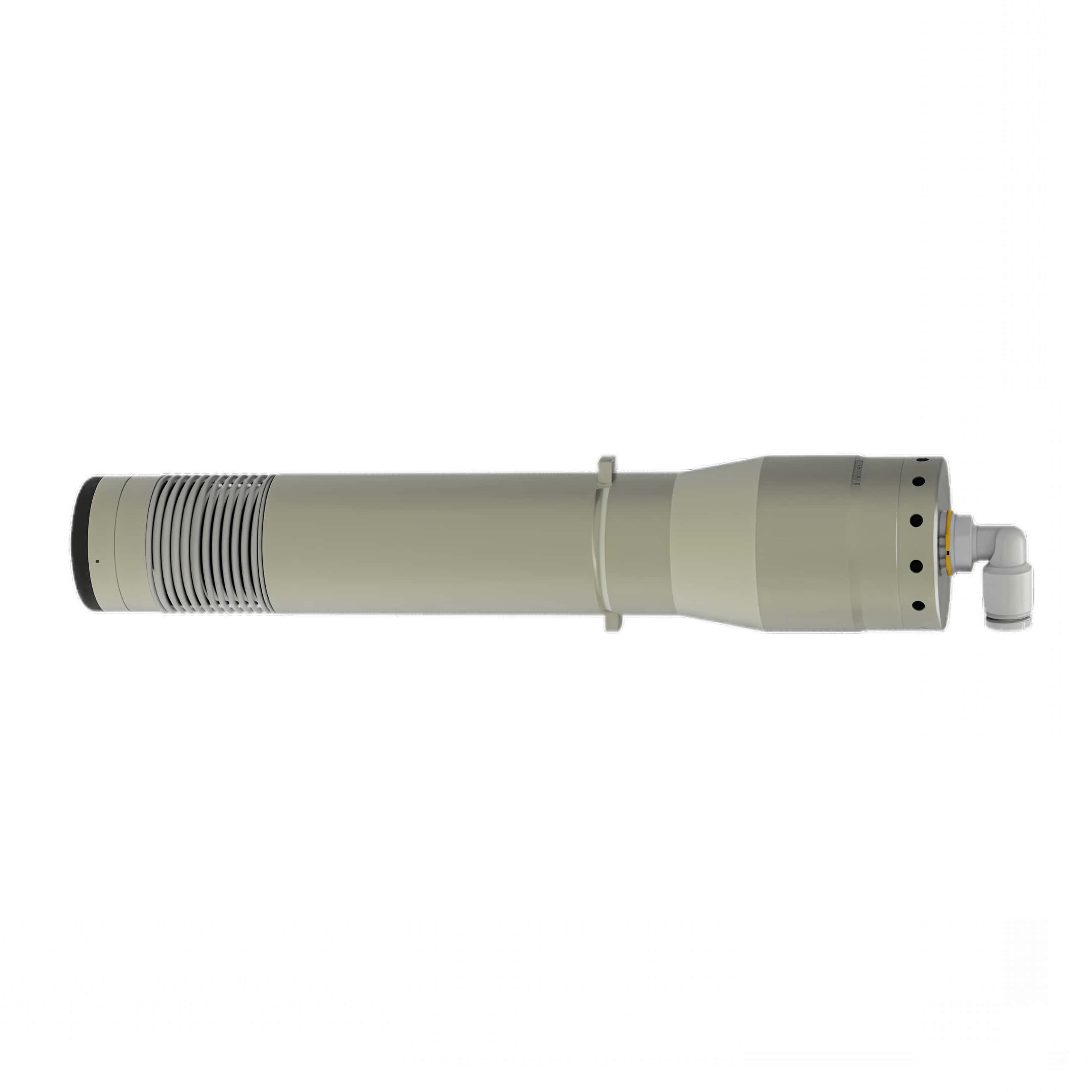
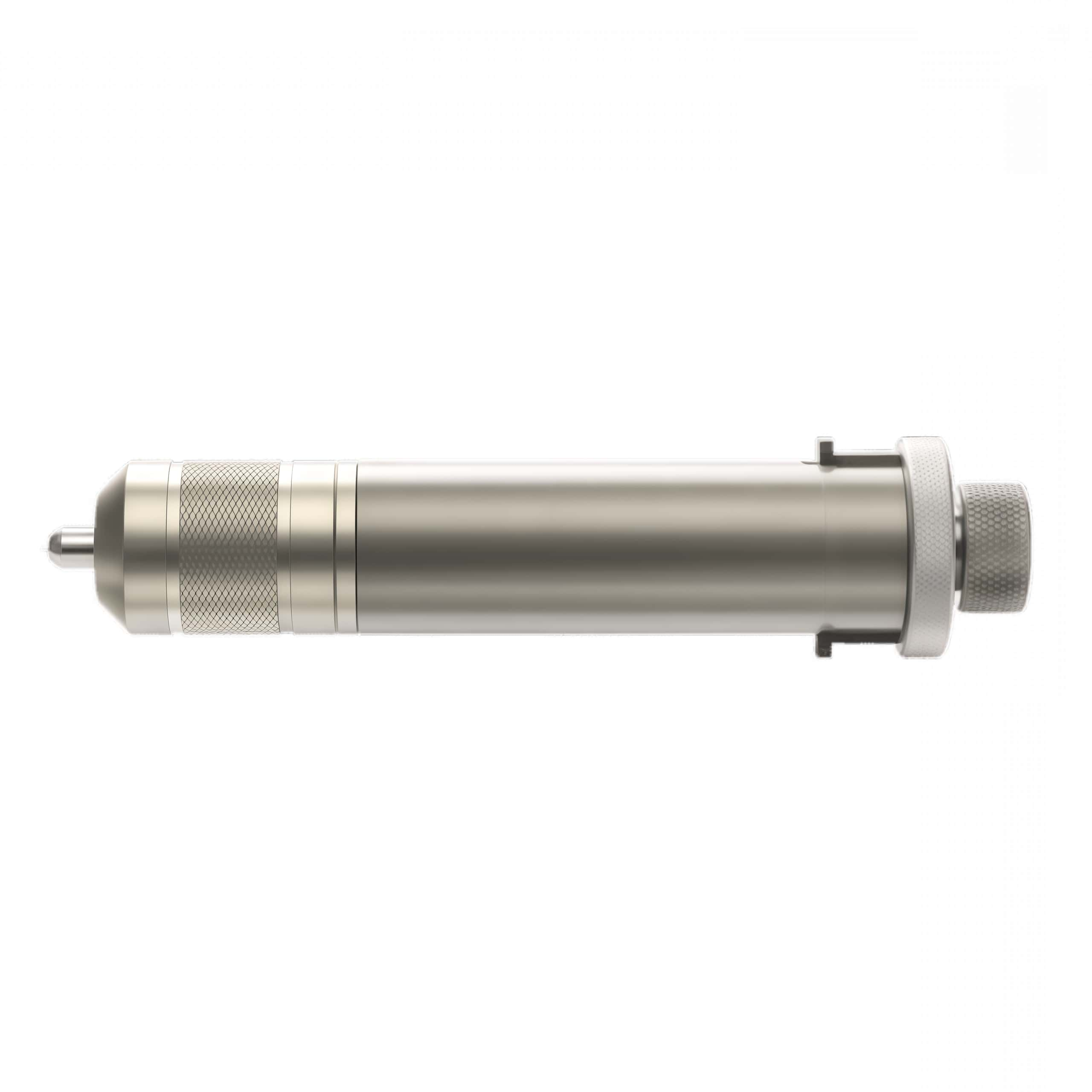
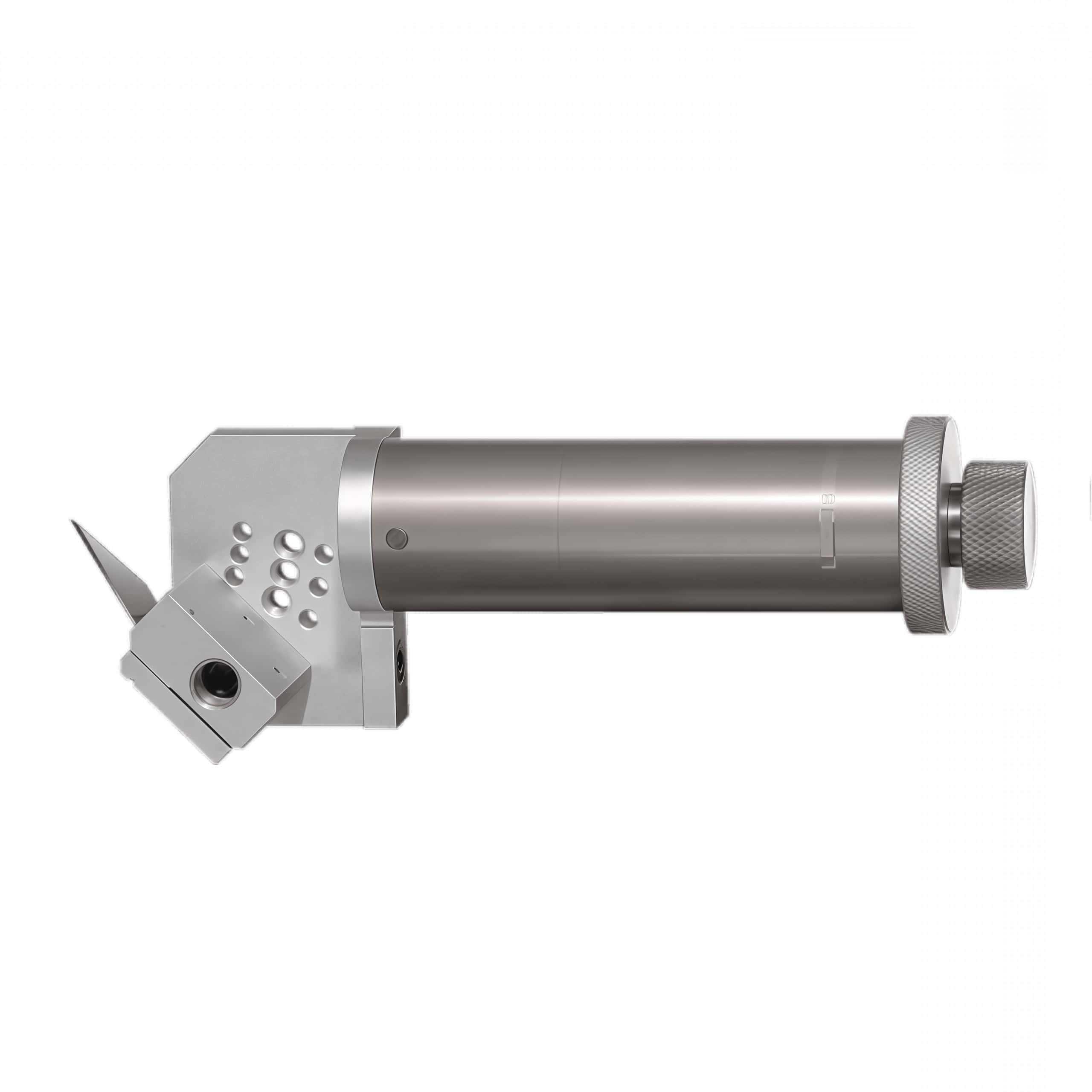
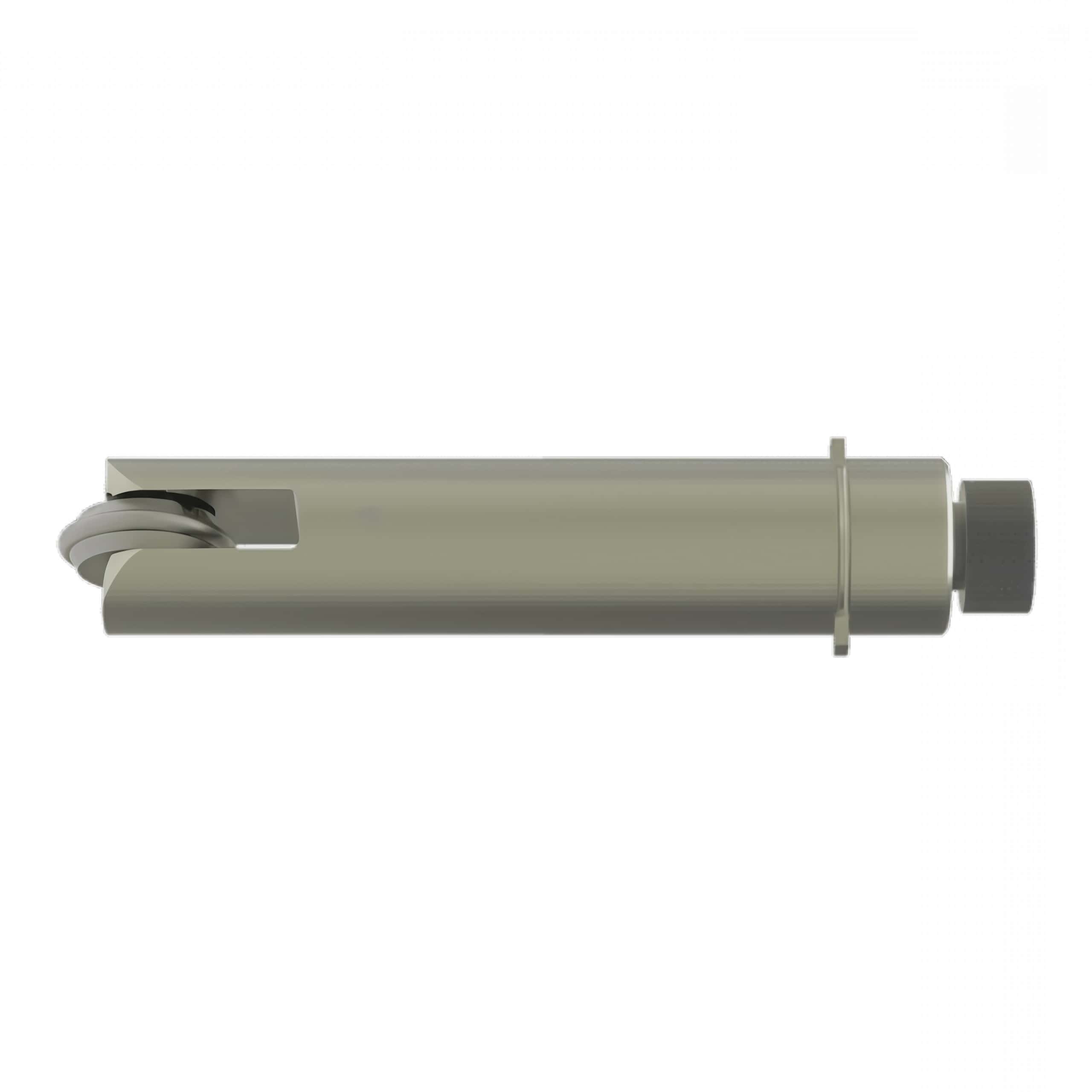
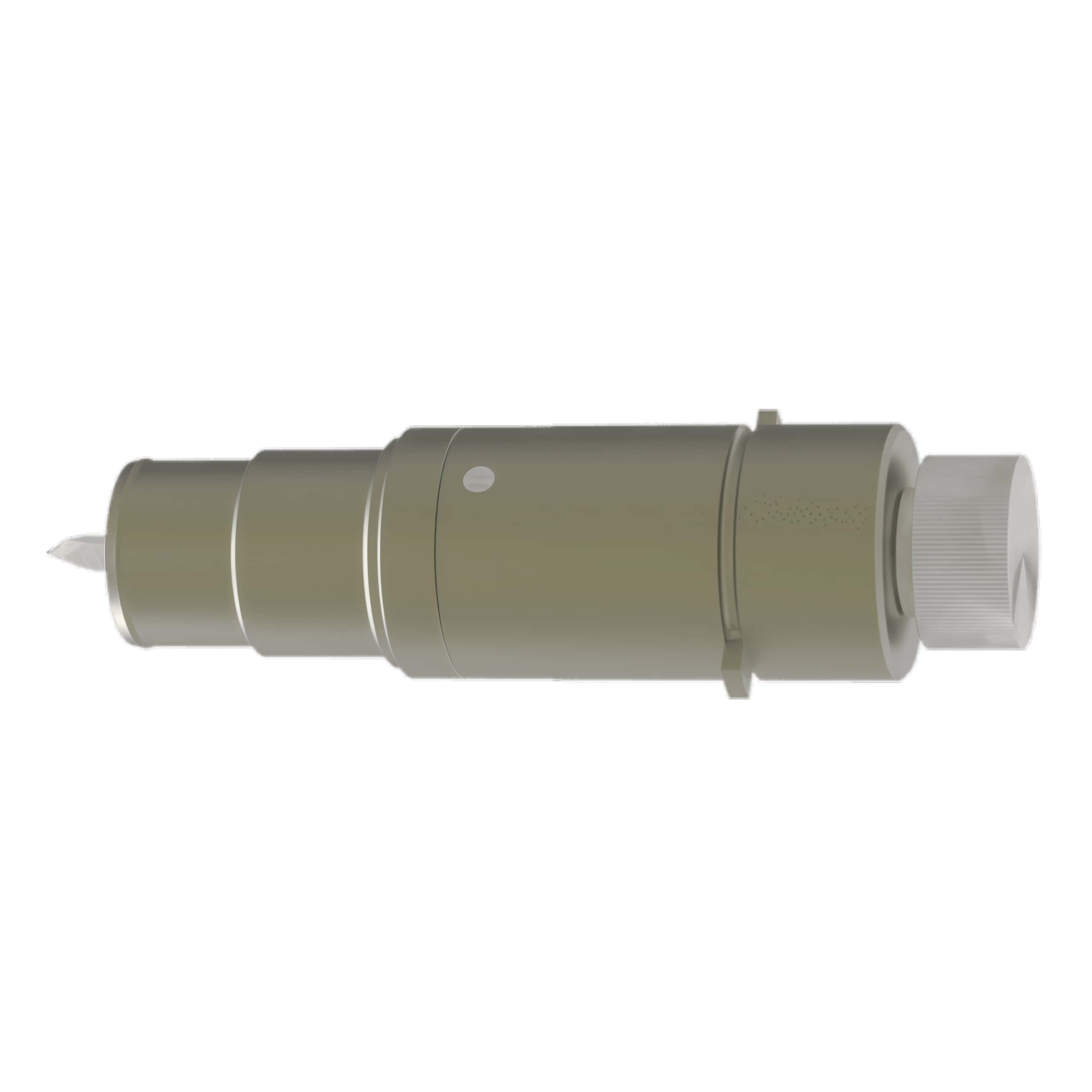
A CNC digital cutter uses interchangeable tool heads fitted with specialized knife blades to cut flexible, semi-rigid, and composite materials without dies.
Key advantages:
-
Fast setup & short runs
-
High precision
-
Material versatility
-
Ideal for packaging, signage, textiles, leather, composites
2. Main Tool Head Types
2.1 Drag Knife Tool (Fixed Knife)
How it works:
Blade is dragged along the cutting path; direction changes rely on material flexibility.
Best for:
-
Vinyl, stickers, films
-
Paper, thin cardboard
-
Foam sheets (soft)
Blade features:
-
Thin blade body
-
Small tip offset
-
Common angles: 30° / 45° / 60°
Pros: Simple, low cost
Cons: Poor corner quality on thick or rigid materials
2.2 Oscillating Knife Tool (EOT / POT)
How it works:
Blade moves up and down at high frequency while cutting.
Best for:
-
Corrugated board Foam board Rubber Gaskets PVC, PP sheets
Blade features:
-
Flat or center-bevel blades Thickness typically 0.6–1.5 mm Stroke depth depends on tool
Pros: Clean cuts on thick materials
Cons: Slower than rotary on long straight lines
2.3 Tangential Knife Tool (TKT)
How it works:
Blade is actively rotated to align with cutting direction.
Best for:
-
Thick cardboard Honeycomb board Dense rubber Plastic sheets
Blade features:
-
Strong rectangular blades Common angles: 45° / 60° High rigidity
Pros: Sharp corners, excellent control
Cons: Higher tool cost
2.4 Rotary Knife Tool (RKT)
How it works:
Circular blade rolls through material like a pizza cutter.
Best for:
-
Textiles & fabrics Leathe Carpet Fiberglass prepreg Film stacks
Blade features:
-
Round blades (Ø 28–60 mm common) Straight or scalloped edges
Pros: Very fast, no tearing
Cons: Not suitable for rigid boards
2.5 Kiss-Cut / V-Cut / Creasing Tools
Specialized functions:
-
Kiss-cut: Cuts top layer only (labels)
-
V-cut: Beveled cuts (foam, display board)
-
Creasing: Folding lines for cartons
Often used alongside knife tools in multi-tool heads.
3. Knife Blade Geometry Explained
Matching Tool Heads & Blades to Materials
| Material | Recommended Tool | Blade Type |
|---|---|---|
| Vinyl / Sticker | Drag / Kiss-cut | 30°–45°, thin |
| Corrugated board | Oscillating / Tangential | 0.8–1.2 mm |
| Foam board | Oscillating | Flat or V-cut |
| Rubber gasket | Oscillating / Tangential | Thick carbide |
| Textile | Rotary | Round blade |
| Leather | Rotary / Oscillating | Scalloped or sharp |
| Honeycomb board | Tangential | 60°, reinforced |
4. Popular CNC Knife Systems (Examples)
-
Zund: EOT, POT, TKT, RKT, VCT
-
Esko Kongsberg: i-cut EOT, RKT, BLD series
-
ATOM: Oscillating & FlashCut systems
-
iECHO: BK, TK, PK tools
Most brands use brand-specific blade shanks, but many compatible aftermarket blades exist.


PREV : Summa 500-9802 -9810 -9811 -9807 -9803 391-231 391-360 -9803 Carbide Vibration Oscillating Blade NEXT : China Tungsten Carbide Blade Supply Production Manufacturing