

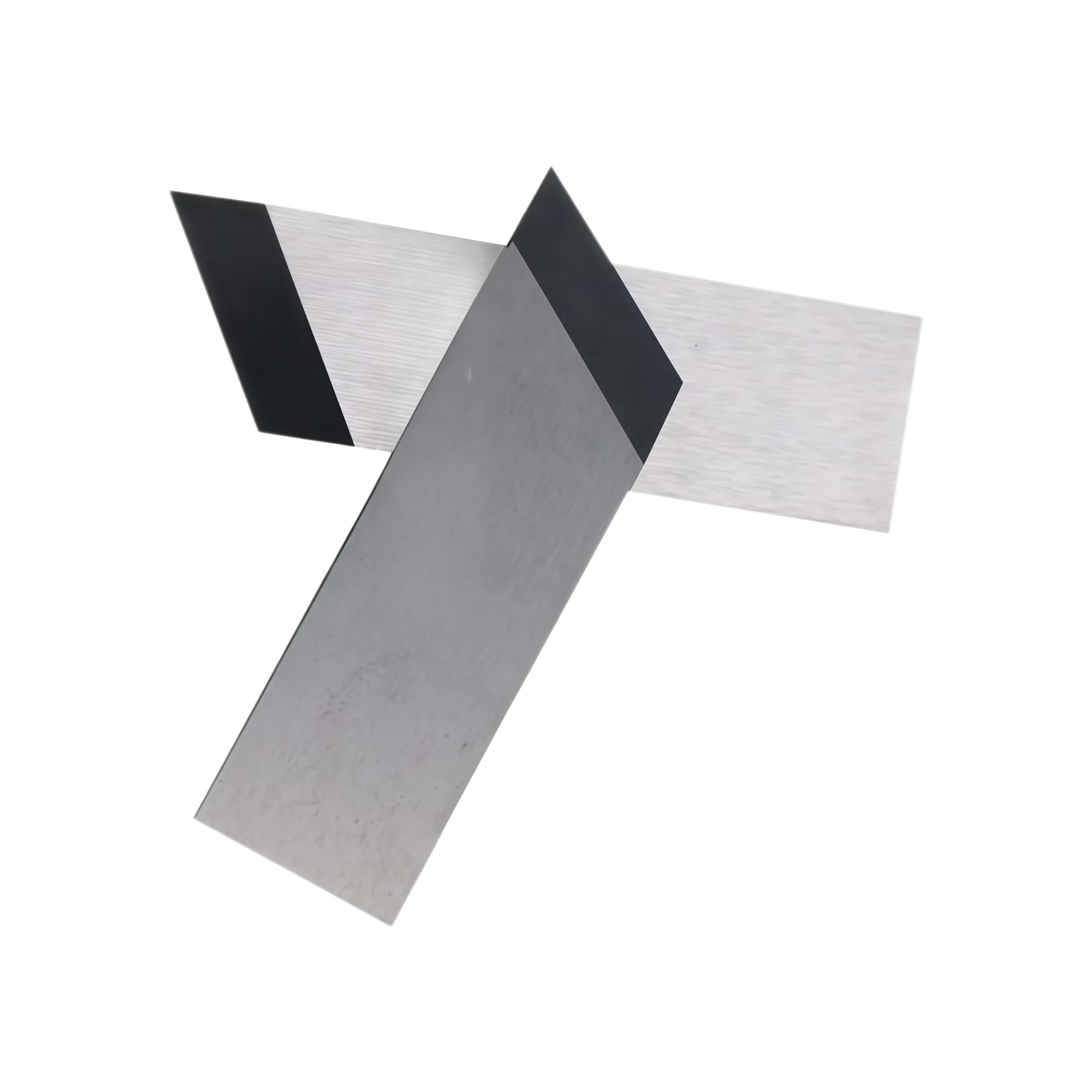
These are specialized tools commonly used in V-groove and slotting applications for cutting materials such as corrugated board, cardboard, MDF, and similar substrates. The products include inserts or blades made from tungsten carbide or solid carbide, designed for high precision and durability.
Two main variants are available: replaceable inserts (rectangular knives with precision-ground V-shaped geometry) and integrated V-grooving bits suitable for routers and CNC systems.
Common Product Types and Their Uses
1. Solid Carbide V-Groove Insert Knives
- Typical Use: Grooving MDF, boards, or as replacement knives for specific cutter heads.
- Material:Solid carbide with a rectangular insert profile, designed for high wear resistance.
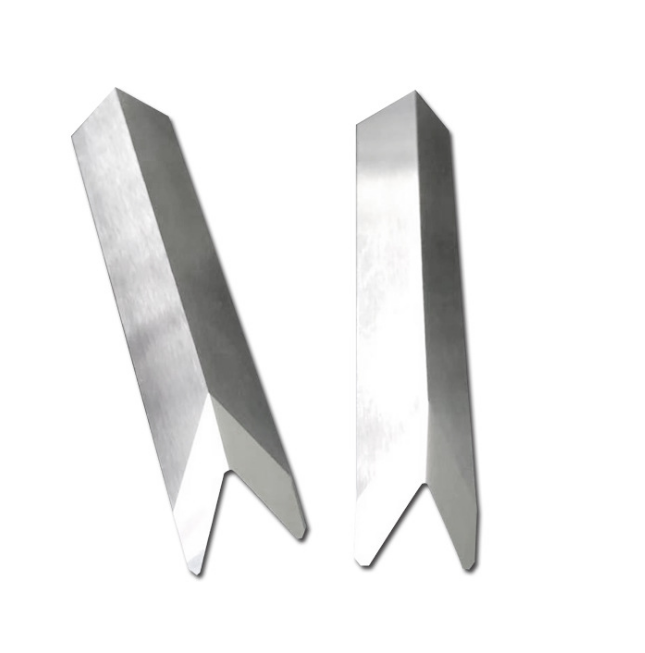
2. V-Cut Blades for Corrugated Board
-Typical Use:Utilized on flatbed carton cutting tables or corrugated V-groove machines for precision cuts in corrugated board.
- Features: Engineered specifically for corrugated V-cuts, ensuring clean edges and consistent performance.
3. Carbide-Tipped V-Grooving Bits
- Typical Use:General V-grooves, signage, chamfering, and panel work.
- Material:Carbide tip fused onto a steel body, available in various angles to suit specific tasks.
Notable Product Examples
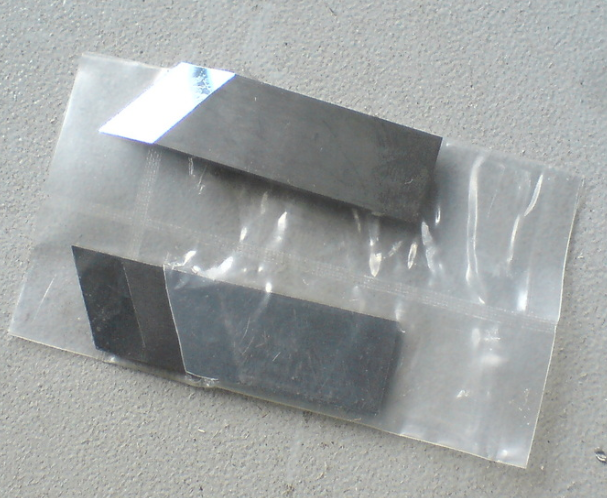
- Solid Carbide V-Groove Knives:Rectangular replacements sized around 28 × 12 × 1.5 mm, ideal for grooving heads.
- Dedicated V-Cut Blades:Specifically marketed for cutting corrugated board, designed for flatbed tools and carton cutting machinery.
- Carbide-Tipped Router Bits:Often featuring a 90° angle, frequently used for panel grooving and related tasks.
Guidelines for Specifying OEM/ODM Blades
When requesting OEM or ODM blades from manufacturers, ensure you provide the following details:
1.Machine Compatibility: Specify the brand and model of the equipment, along with drawings or physical samples of the current blade setup for accurate reference.
2. Material Specifications:Indicate the type of material to be cut, such as single-wall corrugated board, double-wall corrugated, honeycomb board, grayboard, etc.
3.Cutting Geometry:Include the desired V angle (e.g., 45°, 60°, 90°), cutting depth, and groove geometry requirements.
4. Blade Dimensions:Provide precise measurements like length × width × thickness, along with mounting hole locations and edge types (single or double edge).
5. Coating Preferences:If a high-performance coating is required beyond standard tungsten carbide (e.g., TiN, TiAlN), specify these additional treatments to match the tooling requirements.
By delivering complete specifications to blade manufacturers, you streamline the production process while ensuring compatibility with your machinery and application need
SHARE:


PREV : Tekcel Lwbf2065 210 2110 230 240 Lwbp3100 315 320 325 370 Carbide Round Shank Shaft Knife Blades NEXT : Differentiate between using Tungsten Carbide and Zirconia Ceramic Blades