

Key Material Differences
The primary trade-off between these materials is toughness versus extreme hardness. While both are harder than steel, they respond differently to mechanical stress:
|
Feature |
||
|
Primary Advantage |
Exceptional toughness and impact resistance. |
Extreme hardness and 100% rustproof nature. |
|
Brittleness |
Brittle compared to steel, but much tougher than ceramic. |
Highly brittle; prone to chipping or shattering if dropped or twisted. |
|
Heat Handling |
High tolerance; dissipates heat effectively in continuous runs. |
Superior; generates less heat during cutting and withstands extreme temperatures. |
|
Weight |
Very dense and heavy (approx. 2x the weight of steel). |
Lightweight; less dense than most metal-based parts. |
|
Corrosion |
Highly resistant but can be susceptible to some corrosive agents. |
Completely non-reactive; impervious to rust, acids, and salt. |
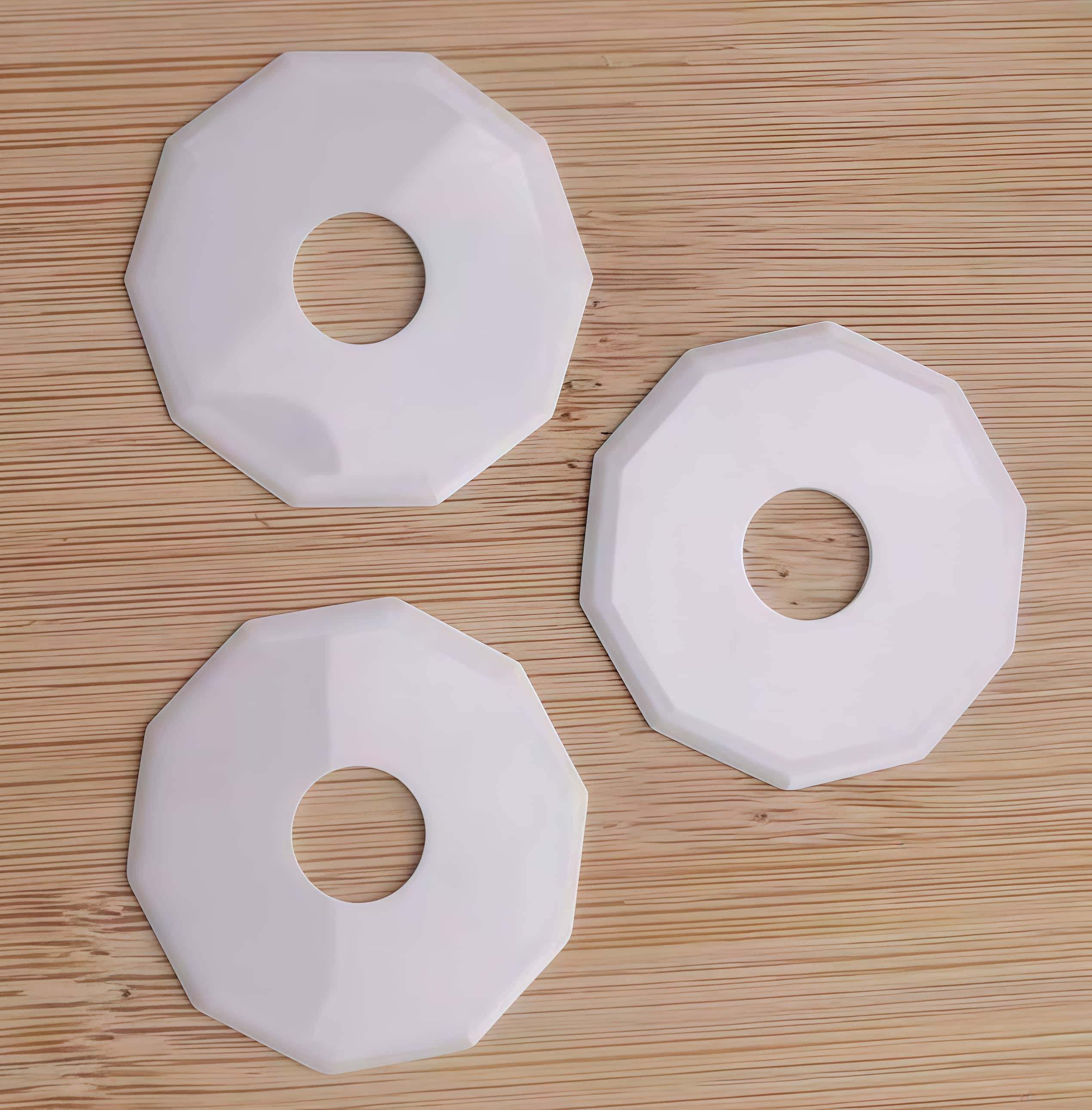
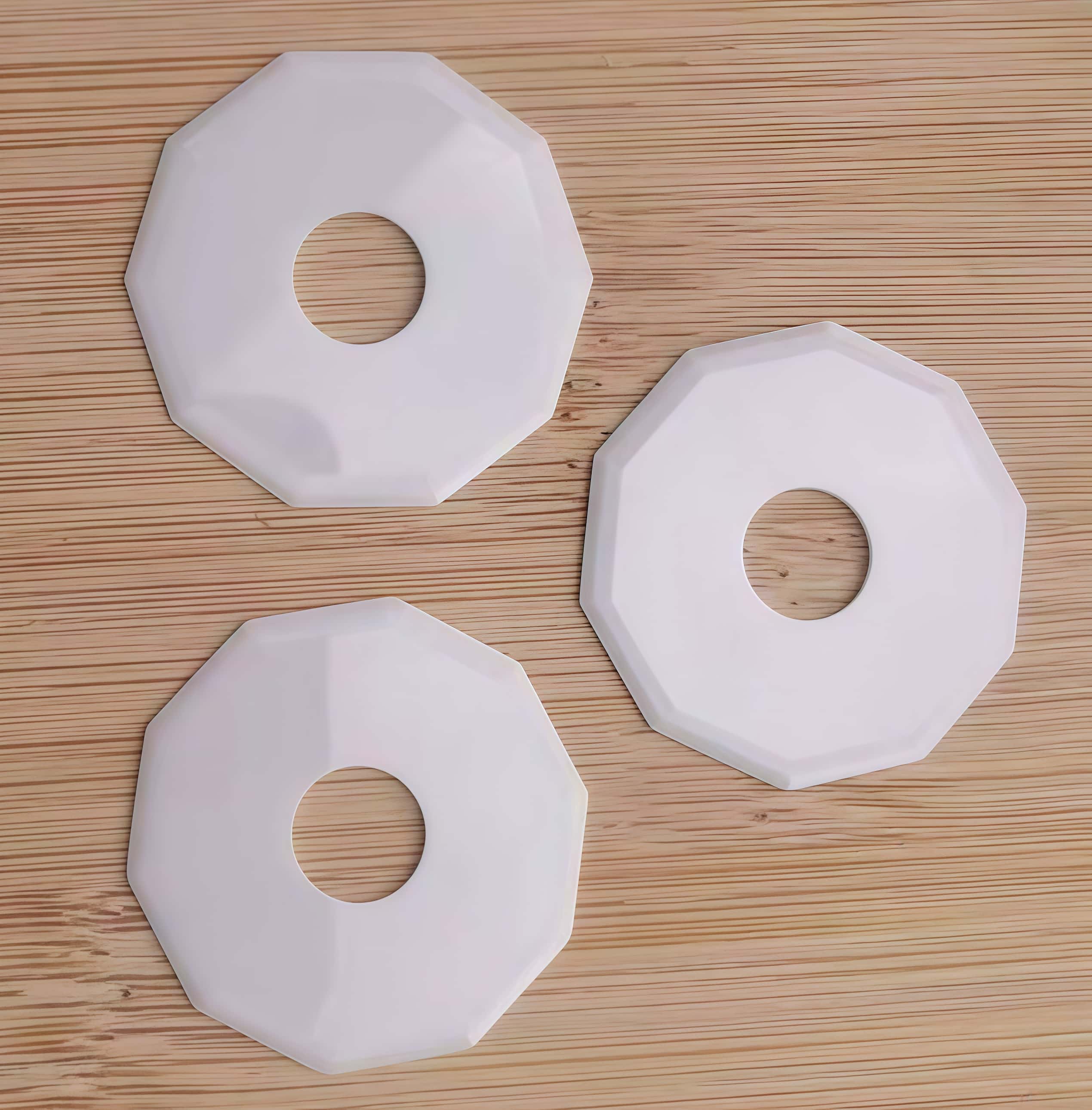
Zirconia Ceramic Blades: These blades excel in tasks that demand extreme precision and cleanliness. Their chemical inertness and resistance to rust make them ideal for use in cleanroom settings, such as food preparation areas or medical environments. Additionally, their smooth surface provides a friction reduction of up to 24%, making them particularly effective for slicing adhesive films or tapes without snagging or residue buildup. This combination of features makes zirconia ceramic blades a premium choice for applications requiring exactness and hygiene.
Proper Maintenance and Practical Considerations
Sharpening: Maintaining the sharp edge of both tungsten carbide and zirconia ceramic blades presents unique challenges. Due to their extreme hardness, these materials can only be sharpened using professional-grade equipment outfitted with diamond abrasives. Even with proper care, the number of times these blades can be effectively resharpened is limited—usually up to three cycles—after which their continued use becomes uneconomical because of diminished performance or excessive wear.
Handling: One must exercise particular caution when using and maintaining blades made of tungsten carbide or zirconia ceramic due to their inherent lack of flexibility. These materials are notably more fragile compared to steel equivalents. Over-tightening a set screw or subjecting the blade to lateral pressure can result in catastrophic failure, such as cracking or shattering. Therefore, careful handling is essential to extend their usable lifespan.
Non-Magnetic Nature: Unlike steel blades, neither tungsten carbide nor zirconia ceramic possesses magnetic properties. This unique characteristic means they are incompatible with magnetic blade holders or tools designed for magnetic retrieval, potentially limiting their functionality in certain operations where magnetic convenience is a deciding factor.
In summary, the choice between tungsten carbide and zirconia ceramic blades largely depends on the specific demands of the cutting task at hand. While tungsten carbide is ideal for heavy-duty operations involving robust materials, zirconia ceramic offers unparalleled precision and cleanliness for specialized environments. However, both types of blades require meticulous maintenance and careful handling due to their unique properties and practical limitations.


PREV : Oem Odm Groove Cutting Machine Tungsten Carbide V-Cut For Cardboard Knife Blades NEXT : How To Process And Produce Zro2 Zirconia Ceramic Blades?