

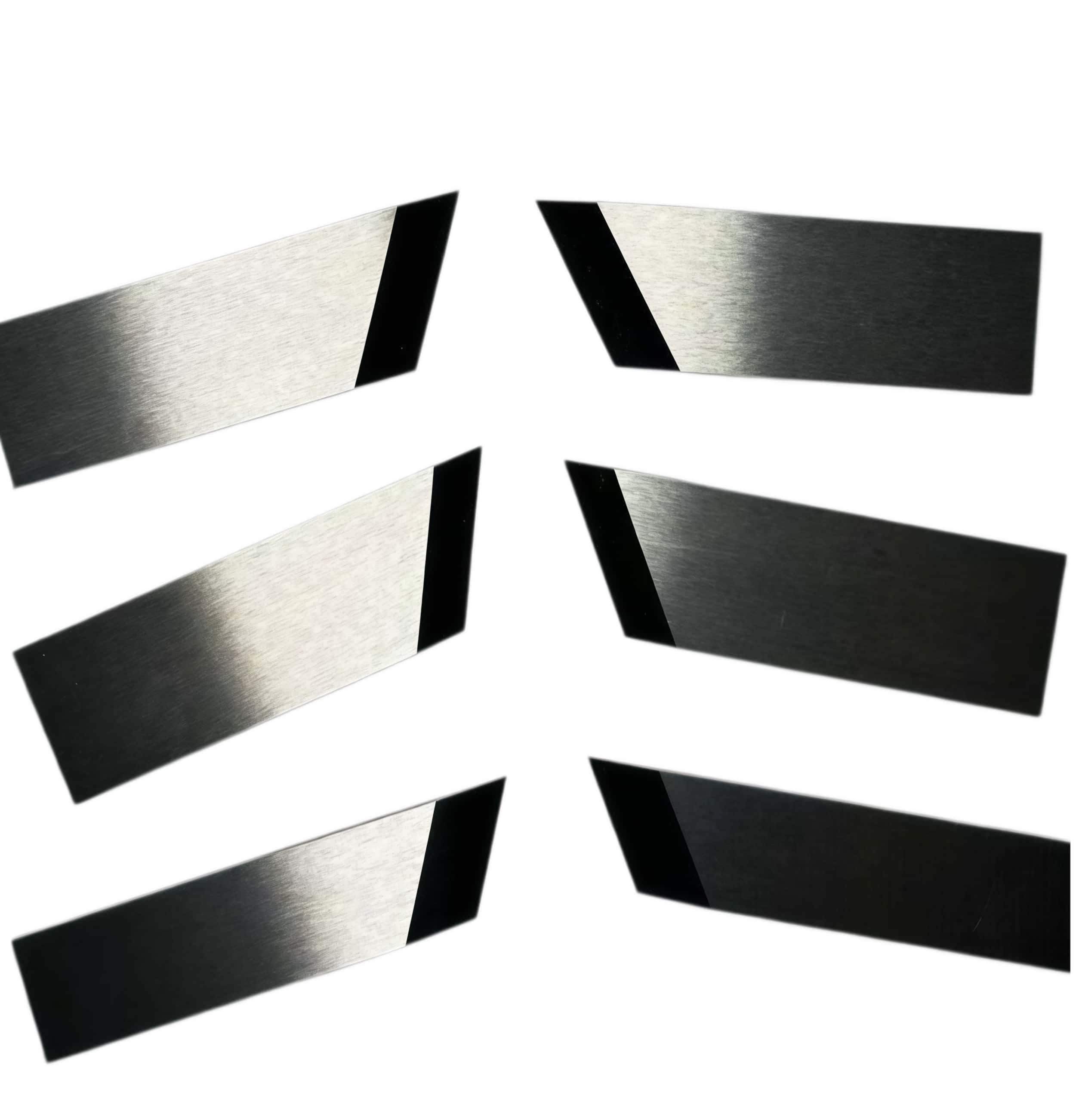
To begin, always select the proper blade type and corresponding holder designed specifically for your cutting table model and tool head, such as the Zund UCT/SCT drag knives or Esko/Atom drag and oscillating tools. Using incompatible tools can lead to improper cuts and potential equipment damage.
When installing the blade, make certain to insert it fully into the holder, aligning the tip precisely with the centerline to ensure accurate operation. Avoid over-tightening the clamping screw; a finger-tight adjustment is typically sufficient to secure the blade without compromising its functionality.
Configure the Z-axis height for each tool to avoid errors during operation. Adjust the cutting depth carefully so that the blade barely grazes the cutting mat or strip, staying clear of direct contact with the metal bed for optimal performance and prevention of wear. Additionally, set the vacuum level based on material porosity — lower suction is advisable for non-porous materials while higher suction is better suited for porous boards — ensuring materials stay flat without distortion.
Daily Use Practices
Adopt a conservative approach during daily operations by using the minimum amount of downforce and speed necessary to achieve clean and precise cuts. Excessive pressure or speed may lead to premature dulling or chipping of the fragile carbide tips.
Choose appropriate blade angles and styles for specific tasks. For high-precision applications, opt for smaller overcut designs or shorter blades; conversely, steeper angles or thicker blade designs are better suited for dense or thick materials. Matching the blade to your material consistently enhances performance and prevents unnecessary wear.
Take caution not to strike clamps, screws, metal rails, or any exposed sections of the cutting table as even one collision can permanently damage the blade edge. Ensure that materials completely cover the cutting path during operation. Moreover, avoid touching the cutting edge with bare hands since carbide tips are both brittle and exceedingly sharp. Skin oils can adversely affect the blade’s integrity, while accidental contact may result in injury.
Cleaning and Handling
Maintaining cleanliness around tool areas is vital for optimal cutting table performance. After each work shift, use a soft brush combined with low-pressure air to clear out loose debris and dust from around the blade and tool head, being careful not to direct dust into sensitive components such as bearings or sensors.
Clean blade edges and holders with a soft, lint-free cloth lightly moistened using isopropyl or reagent-grade alcohol. This method effectively removes adhesive residues and any buildup of material particles; ensure all cleaned parts are completely dried afterward.
Avoid practices that could weaken or damage the blade, such as scraping it against hard surfaces or using abrasives like steel wool or pads on the edge, as this can lead to micro-chipping which compromises precision. Should knives require light touch-ups (mainly for non-replaceable specialty items), use a fine diamond sharpening tool paired with coolant. Note, however, that most flatbed cutting blades are manufactured as disposable consumables designed for easy replacement rather than sharpening.
Inspection, Sharpening, and ReplacementRegular inspections under proper lighting conditions are essential for maintaining blade integrity. Utilize magnifiers if available to identify potential damage such as chips, flat spots, or broken tips. Pay attention to signs like fuzziness along cut edges, incomplete penetration through material layers, or tearing during production cycles — all indicators that the blade may be compromised.
Implement preventive maintenance schedules tailored to your production needs. Many shops prefer examining edge conditions daily and replacing blades based on runtime hours or meter counts rather than waiting for visible degradation. Proactively swapping blades helps sustain consistent cut quality over time.
Should your operation require re-honing carbide blades for specialized purposes, it’s crucial to employ diamond sharpening tools with appropriate coolant supplies while maintaining the factory-recommended angle specifications. Utilize only light pressure during sharpening processes to mitigate overheating or fracturing risks at the edge.
Storage and Safety
Proper storage methods safeguard tungsten carbide blades from unintended damage when idle. Place unused blades in their original plastic cases or storage cassettes specifically designed to protect blade tips from contact with other objects. Avoid leaving them loose on workbenches or mach
Product Categories
-
- Atom Cnc Knives Knife Blade For Sale Shop
- Comelz Cnc Knives Knife Blade For Sale Shop
- Colex Cnc Knives Knife Blade For Sale Shop
- Esko Kongsberg Cnc Knives Knife Blade For Sale
- Iecho Cnc Knives Knife Blade For Sale Shop
- JingWei JWei Cnc Knives Knife Blade For Sale Shop
- Summa Cnc Knives Knife Blade For Sale Shop
- Zund Cnc Knives Knife Blade For Sale Shop
SHARE:


PREV : How Do Sinajet Blade Numbers N17, Y17, And Y24 Map To Specific Cutter Models NEXT : Teseo cutter blades models Spare parts Catalog Consumables