

Differences and similarities between Zund G3, S3, D3, L3 digital cutting blades
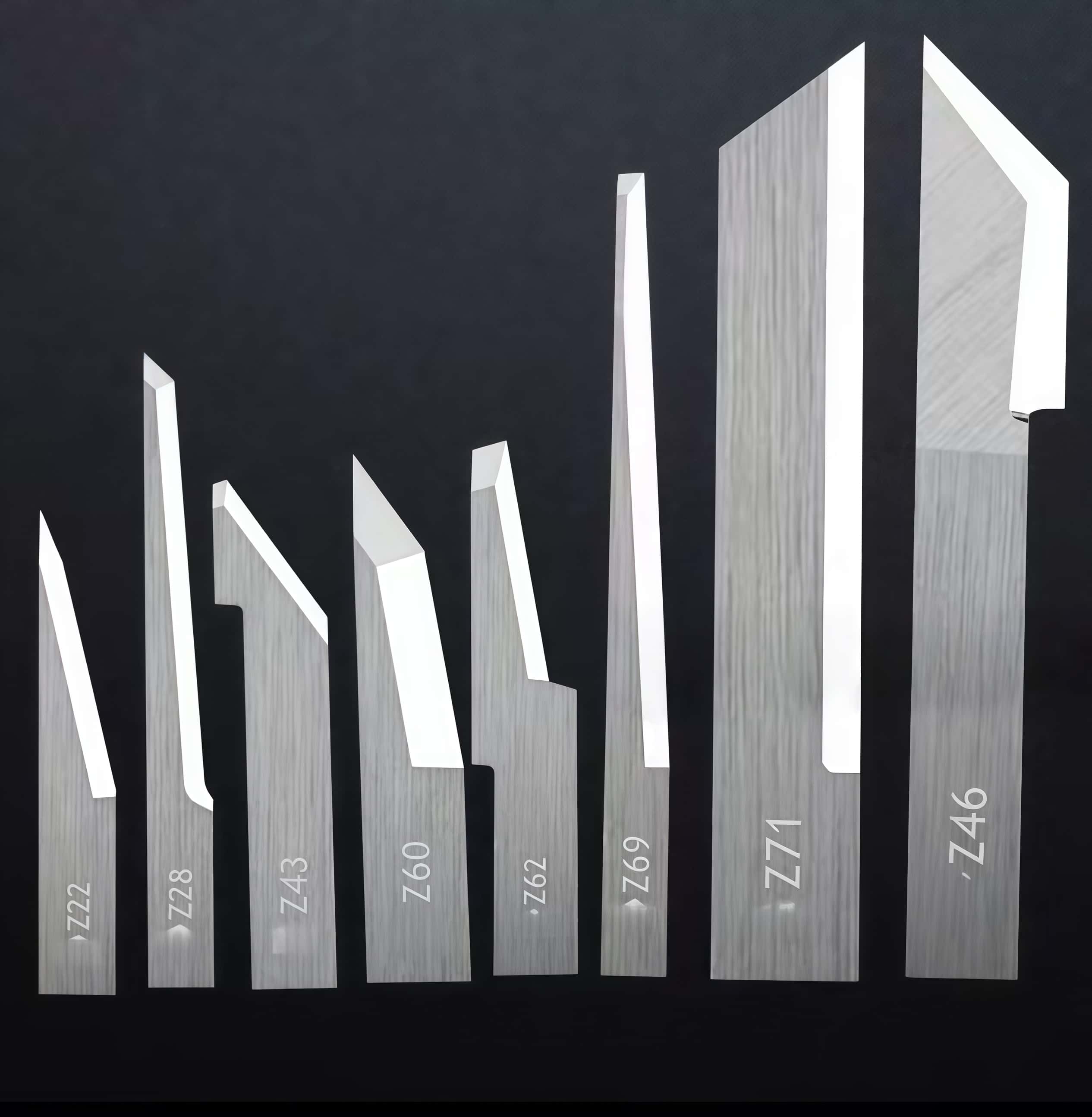
Zund G3, S3, D3, and L3 are all part of the same modular digital cutting platform, so they share many of the same tools and workflows. The biggest differences are the machine architecture and the production niche: G3 is the general-purpose high-precision platform, S3 is the compact high-speed model, D3 uses a dual-beam setup for much higher throughput, and L3 is the leather-focused cutter.
Main similarities
All four systems use the same broader Zund tool ecosystem, including driven rotary, oscillating, and other common processing modules, with many tools marked compatible across G3, S3, D3, and L3. They also share Zund’s modular design approach, so tool setups and material-handling options can be adapted to different production needs.
Main differences
|
Model |
Main focus |
Distinguishing feature |
Typical strength |
|
G3 |
General production |
Highly modular, versatile platform |
Broad material range and precision work |
|
S3 |
Compact production |
Small footprint, designed for maximum speed |
Vinyl, film, and smaller/medium jobs |
|
D3 |
Industrial throughput |
Dual-beam system |
Higher productivity and large-format production |
|
L3 |
Leather processing |
Optimized for leather workflows |
Leather and related material handling |
The S3 is described as compact, flexible, and economical, with a small footprint and a stepless vacuum system, while the G3 emphasizes uncompromising performance, precision, and high modularity. The D3 stands out because it has two beams that can work in parallel, effectively doubling throughput. The L3 is positioned as a leather cutter, so it is the most application-specific of the four.
Practical selection
If you need one machine for many substrates, the G3 is the most versatile choice. If space is tight and the job mix is lighter or faster-turnaround, the S3 fits better. If output volume is the priority, the D3 is the strongest option. If your core work is leather, the L3 is the most specialized fit.
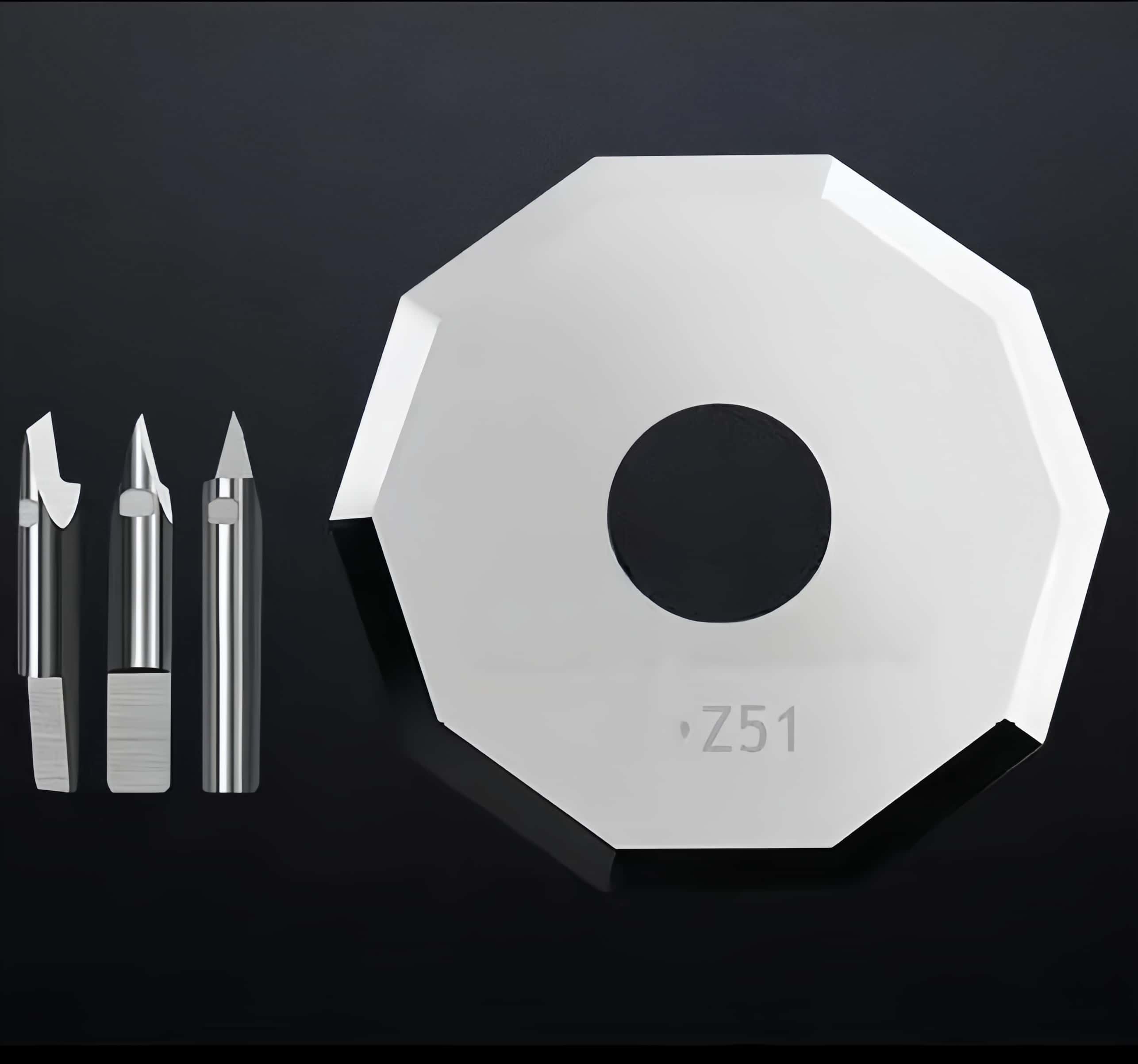
Tool compatibility
A useful point is that many Zund tools are shared across these platforms, so blade/tool compatibility is often broader than the machine naming suggests. That means the choice is usually less about “different blades” and more about the cutter platform, workflow, and material specialization.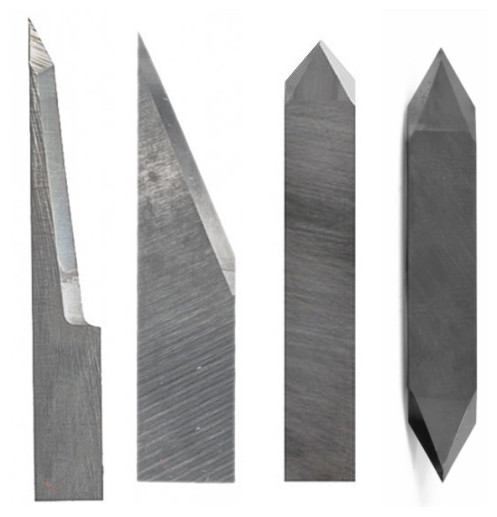


PREV : How To Select Knife Blades For Colex Flatbed Cutters NEXT : Aol Sinajet Ruk Emma Cutting Systems Types And Knives Blades